© TSUBAME ARCHITECTS


© TSUBAME ARCHITECTS
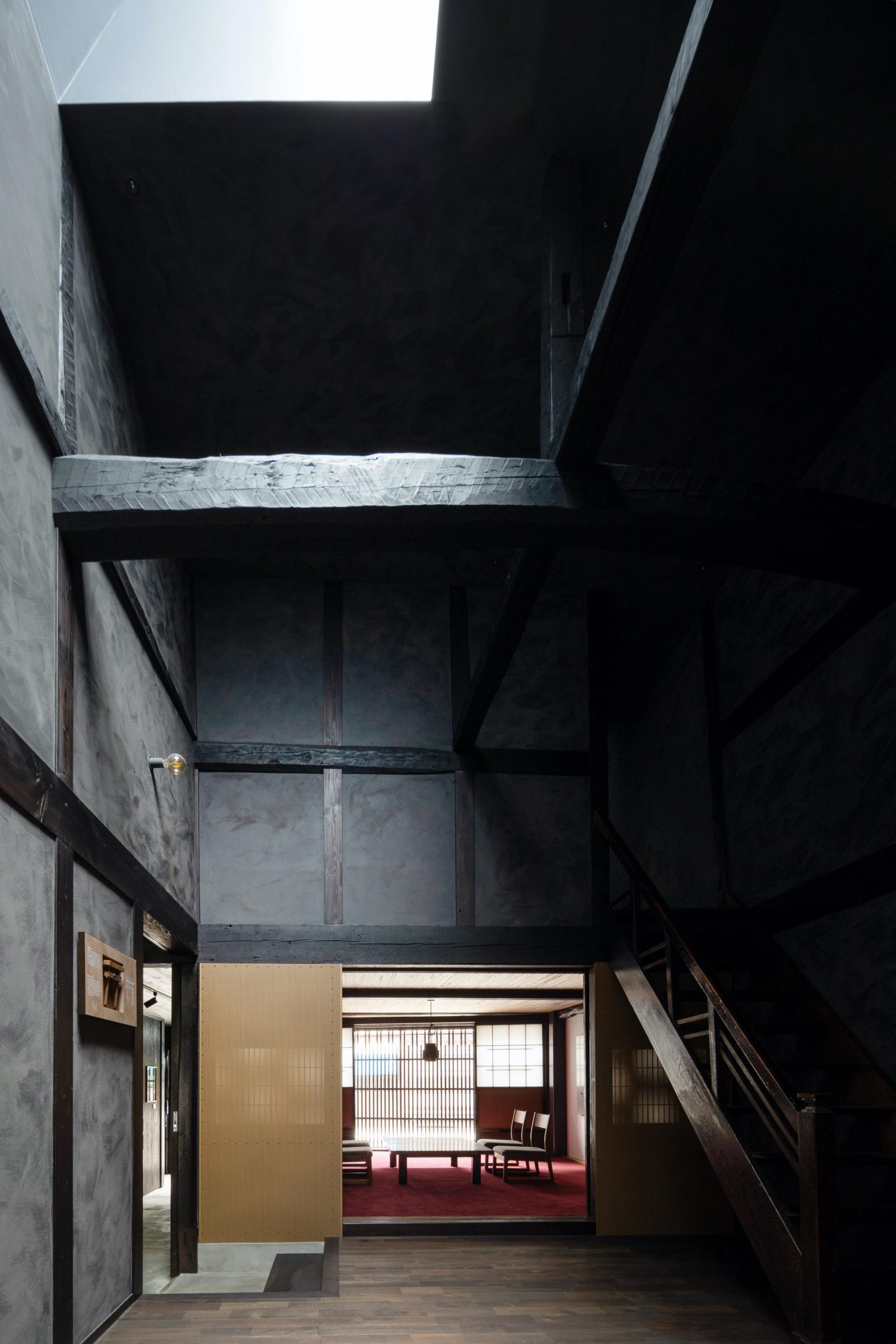
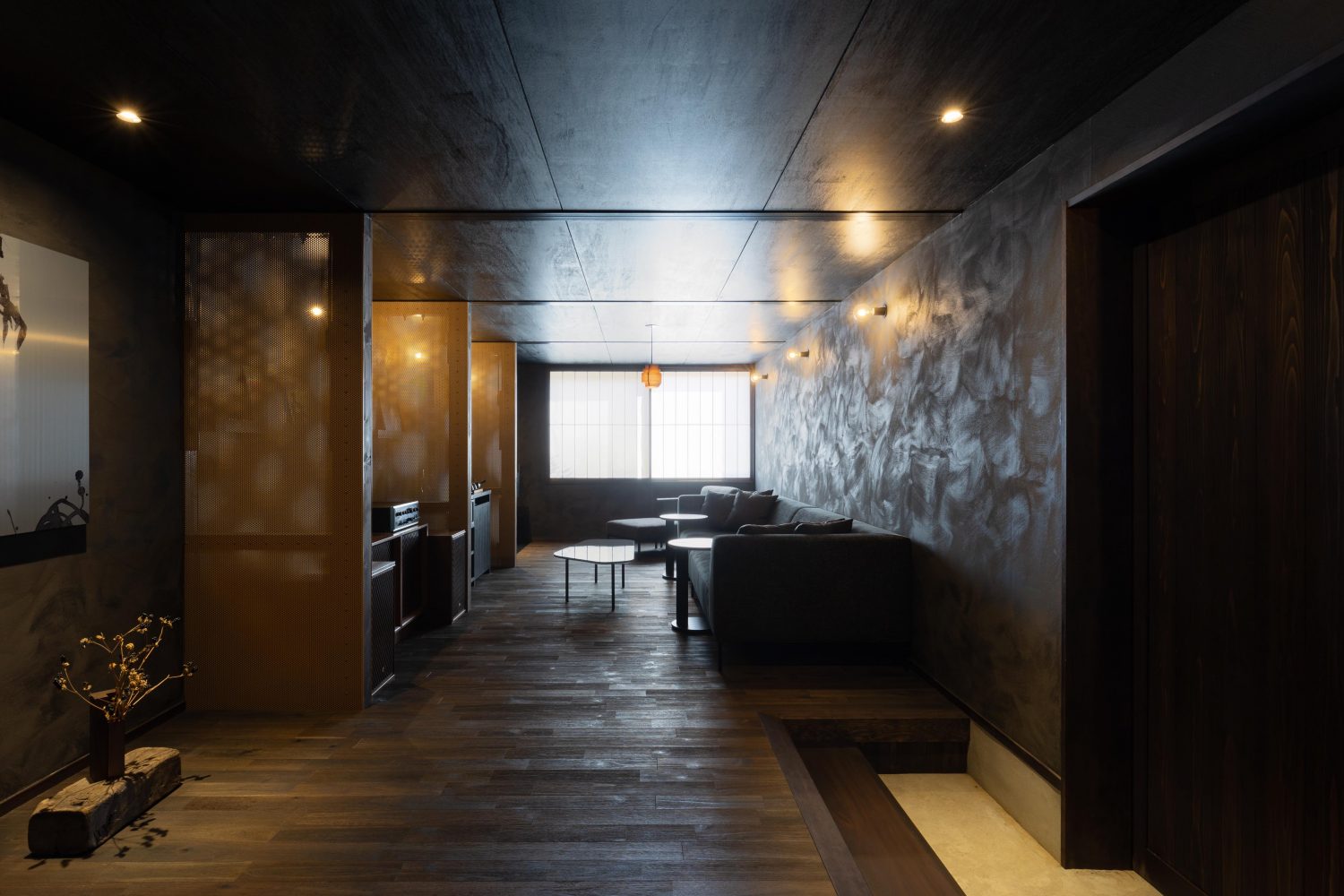
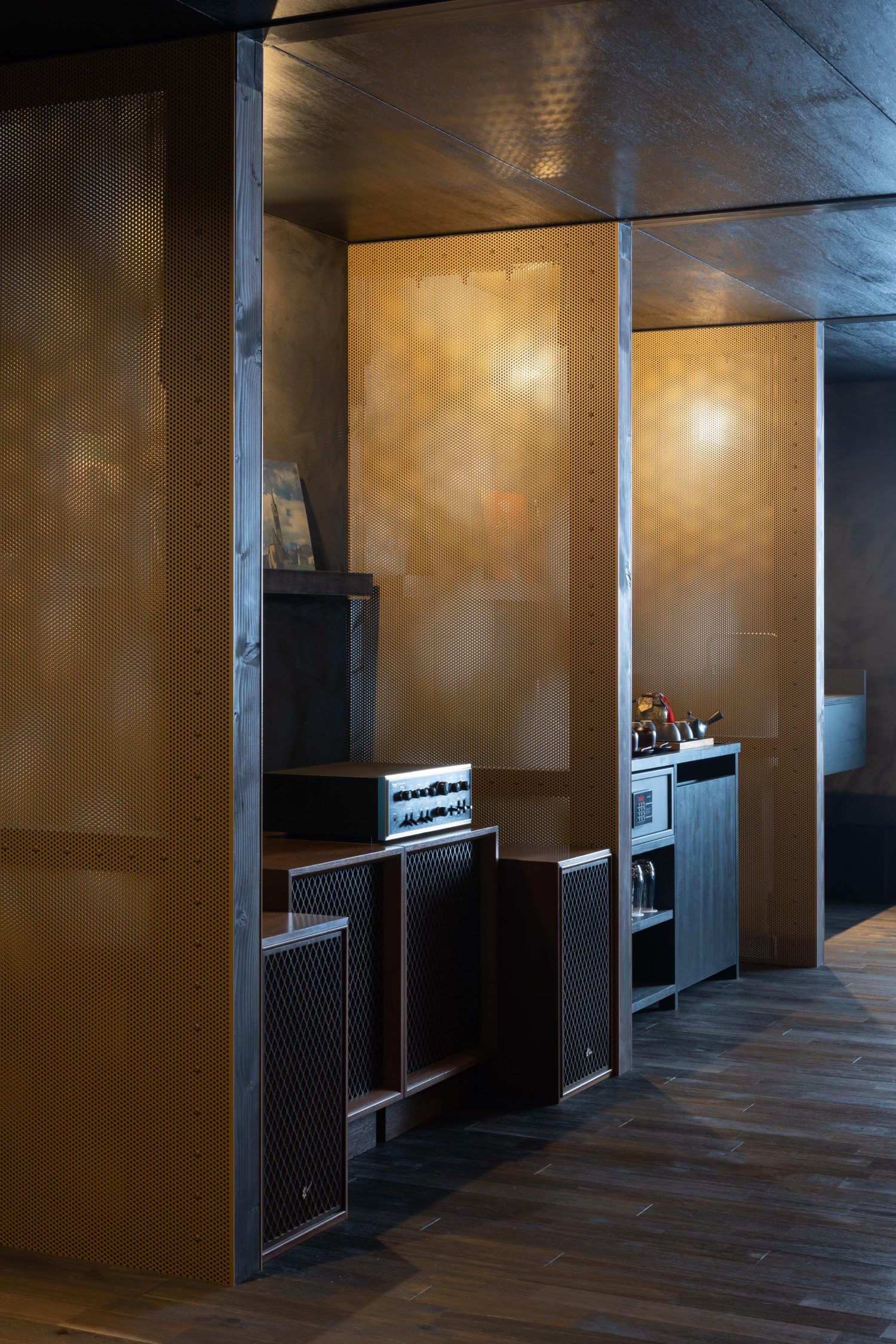
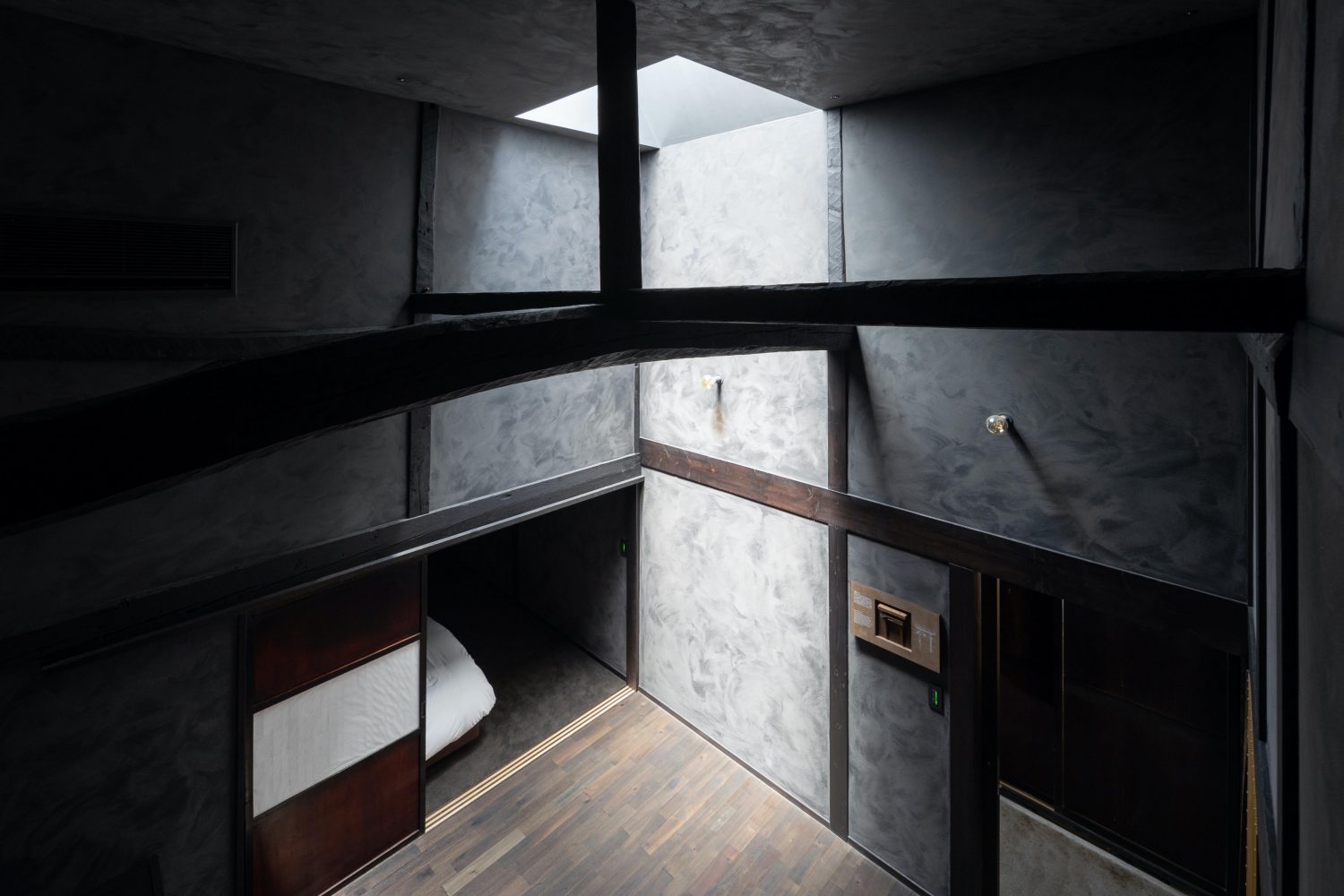
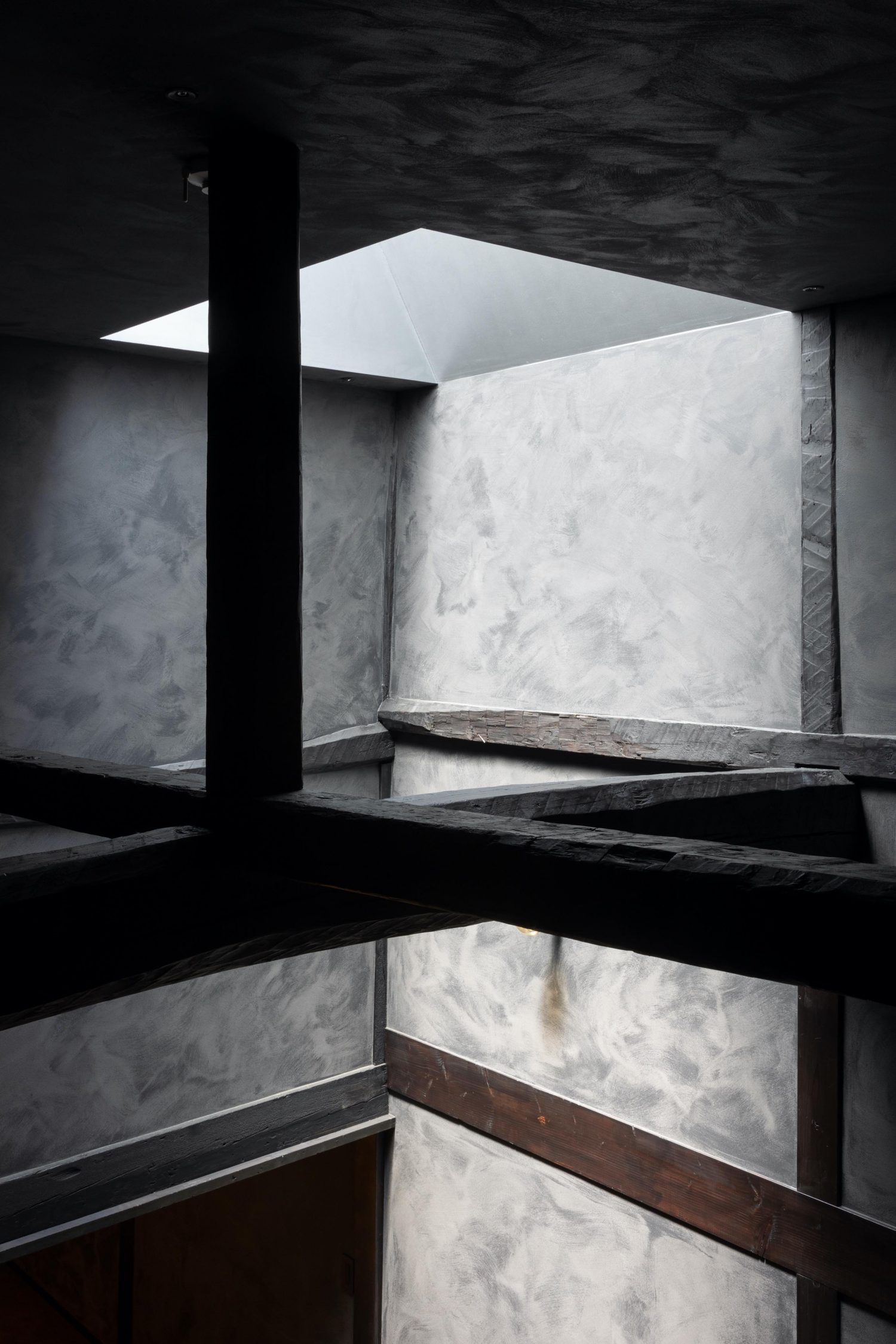
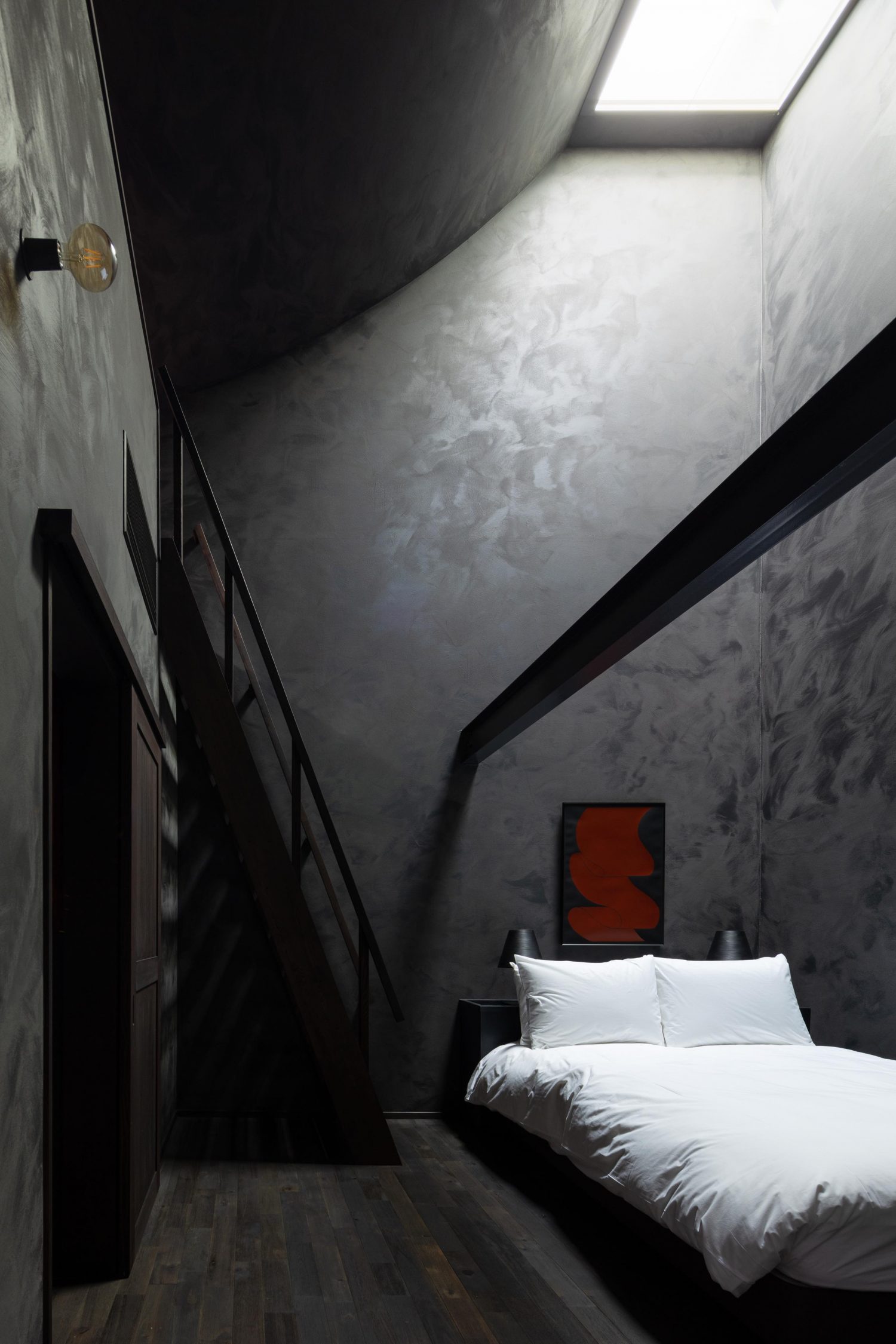
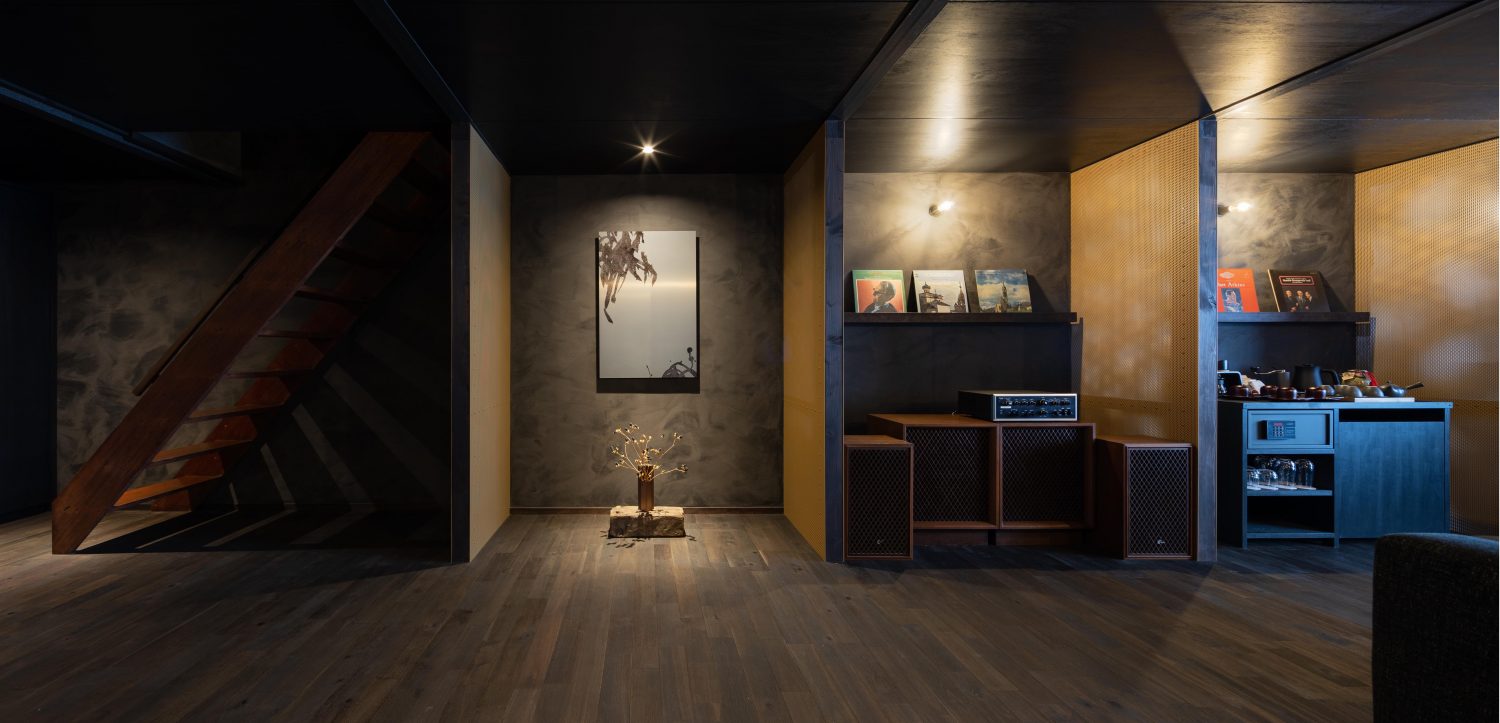
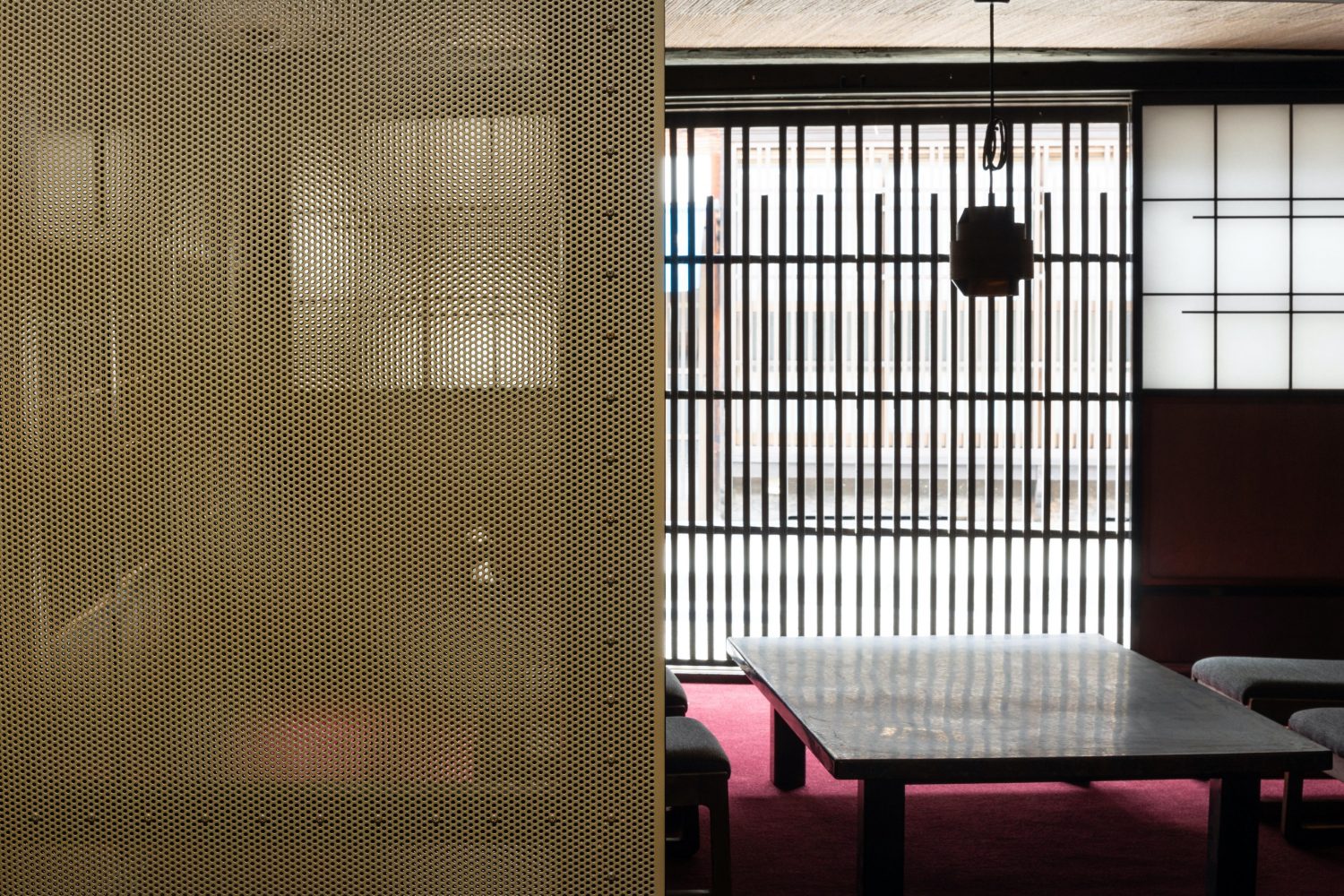
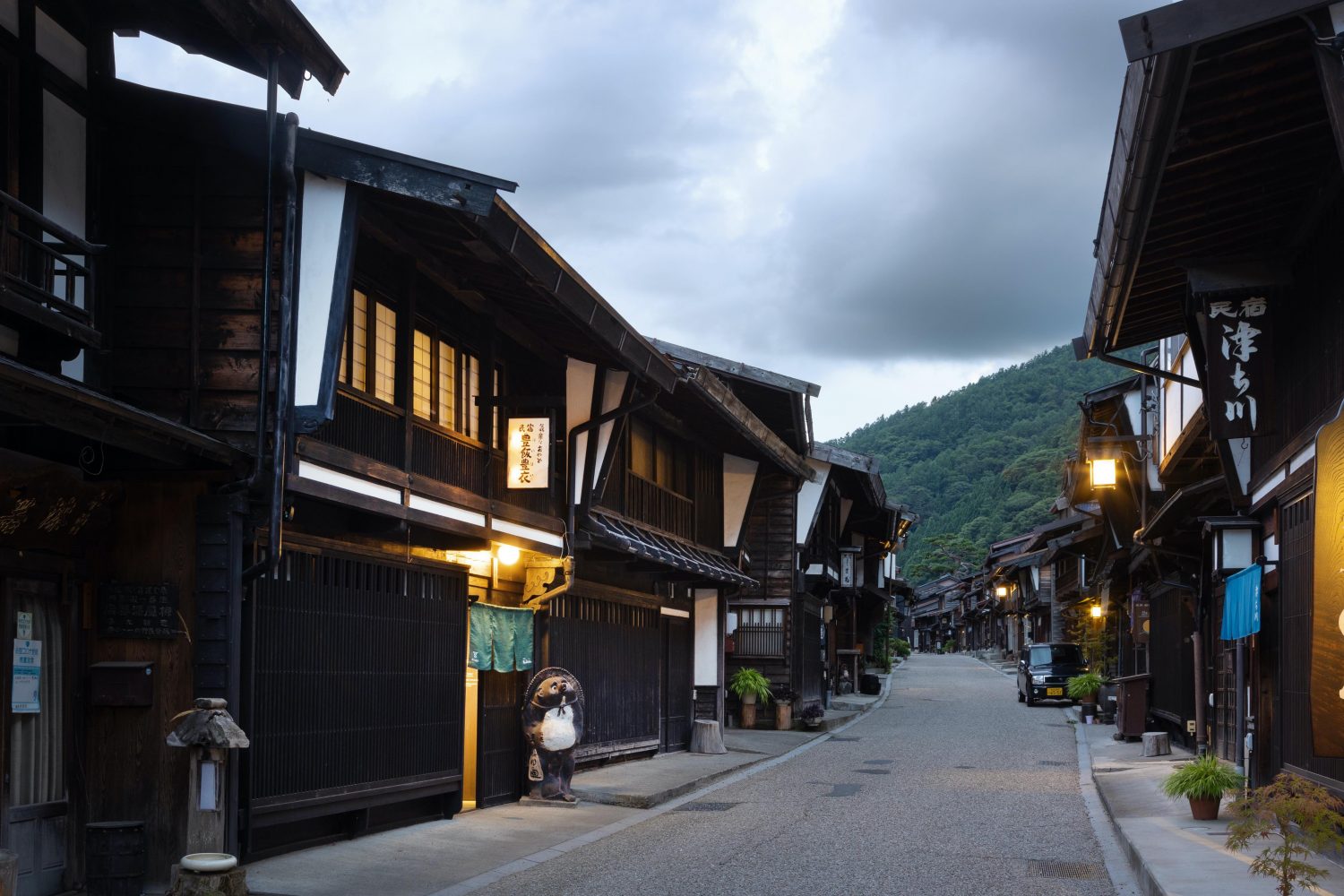
The old inn town of Naraijuku has enjoyed unrivaled success as an Important Traditional Building Group Preservation District. As this program is singularly focused on townscape preservation, however, it offers no guidance with regard to how individual buildings might be renovated, reinforced, insulated, reprogrammed, or activated. Moreover, the overemphasis it has placed on preserving the outward appearance of the townscape seems to have caused Naraijuku to essentially become a show town that tourists only look at and pass through without making any meaningful contribution to the local economy, and it is questionable how many of the buildings in the district are actually still fit for practical use.
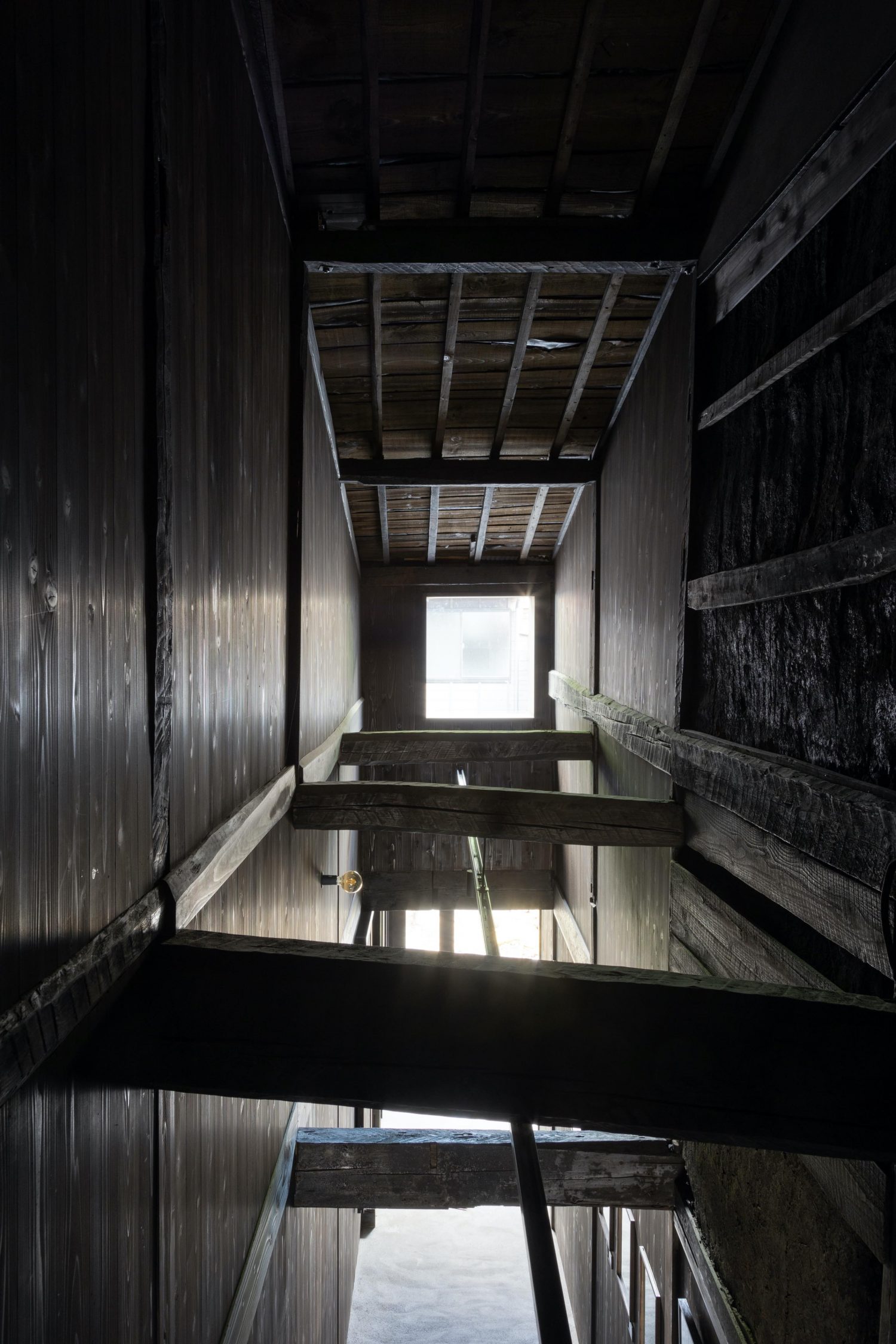
Our task for this project was to make a hotel by redesigning a machiya (townhouse) called the Ueharaya, which is not a “thoroughbred” historic building like the famous one-of-a-kind shrines and temples but rather an example of old vernacular architecture made up of an eclectic mix of construction methods and interior design styles as a result of two centuries of ad hoc renovations. We decided that the proper conduct when dealing with a building and town that belong to the commons should be to create not a successful tourist attraction but rather a role model that local community members can refer to when renovating their own properties. This also seemed like the best balance for the project because it was being funded with external capital, which afforded us the opportunity to use it to gauge how the town might be developed in the future. The following are some guiding criteria that we set for its design:
· Use a variety of structural reinforcement methods to enable people to get a feel for a range of options.
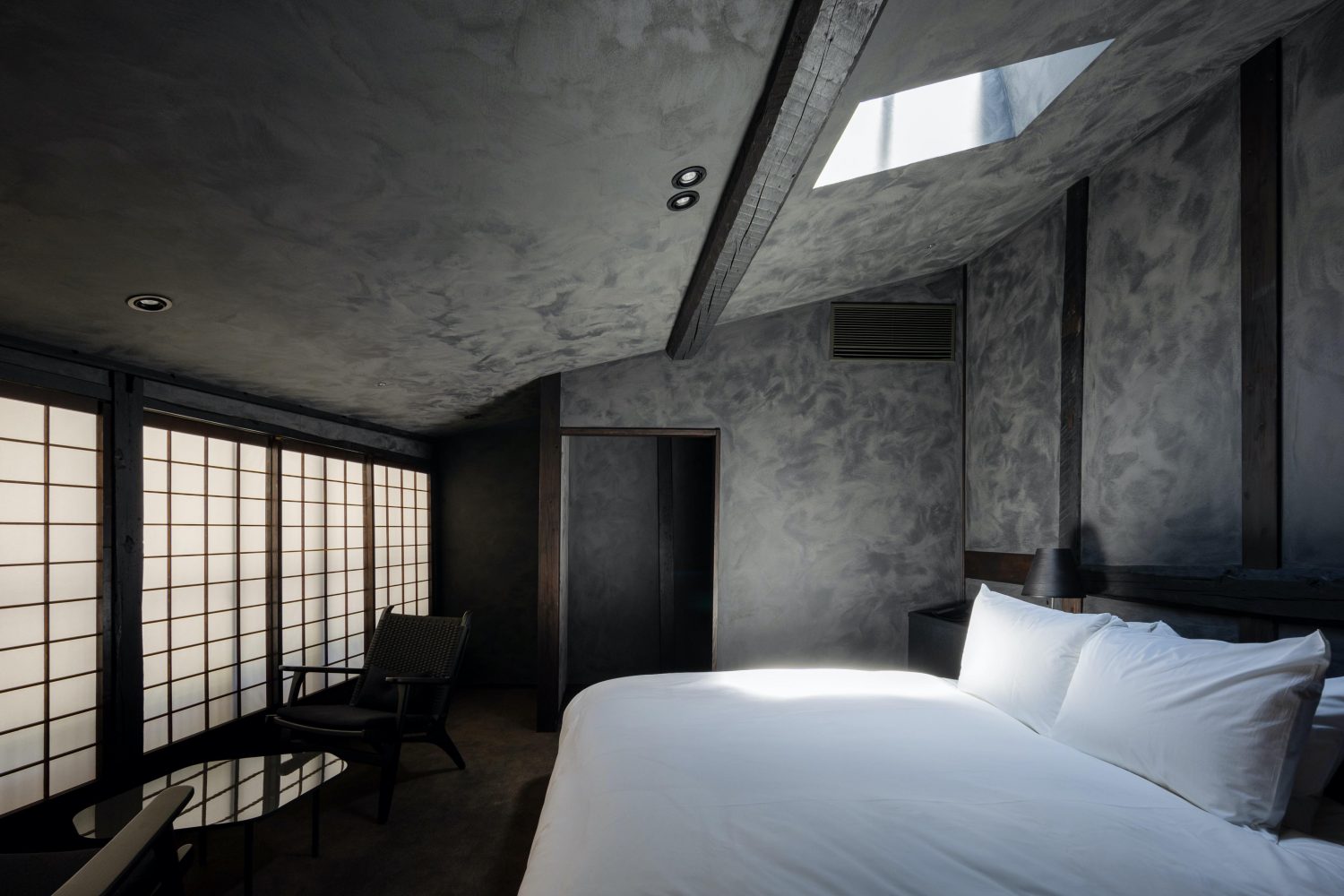
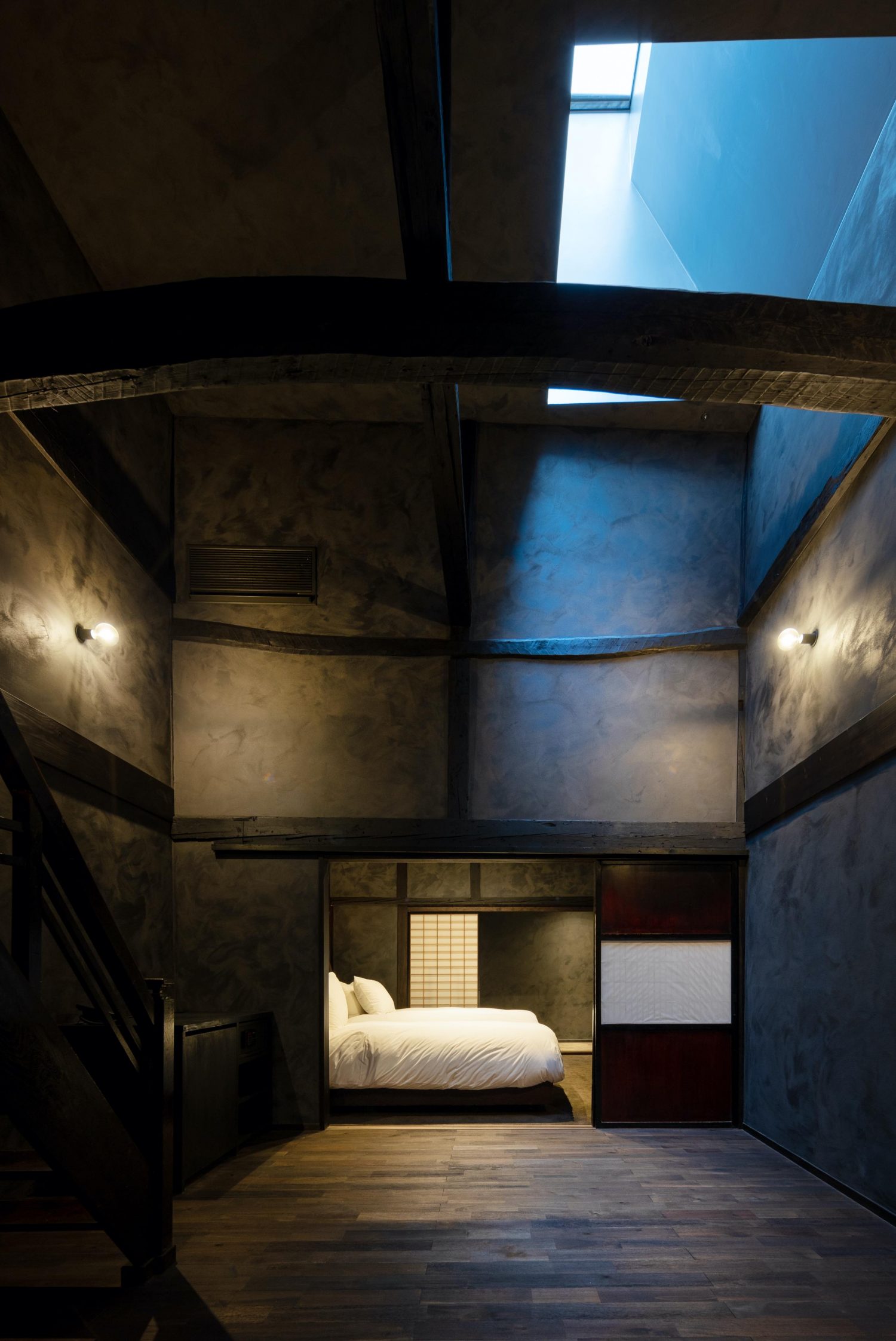
· Form the spaces by making use of the thickness of the insulation layer as opposed to stripping away the finishes to expose the underlying structure (this latter approach, which has also been used in other renovations in the town, has become somewhat of a cliché in Japan despite of the fact that it tends to lower building performance).
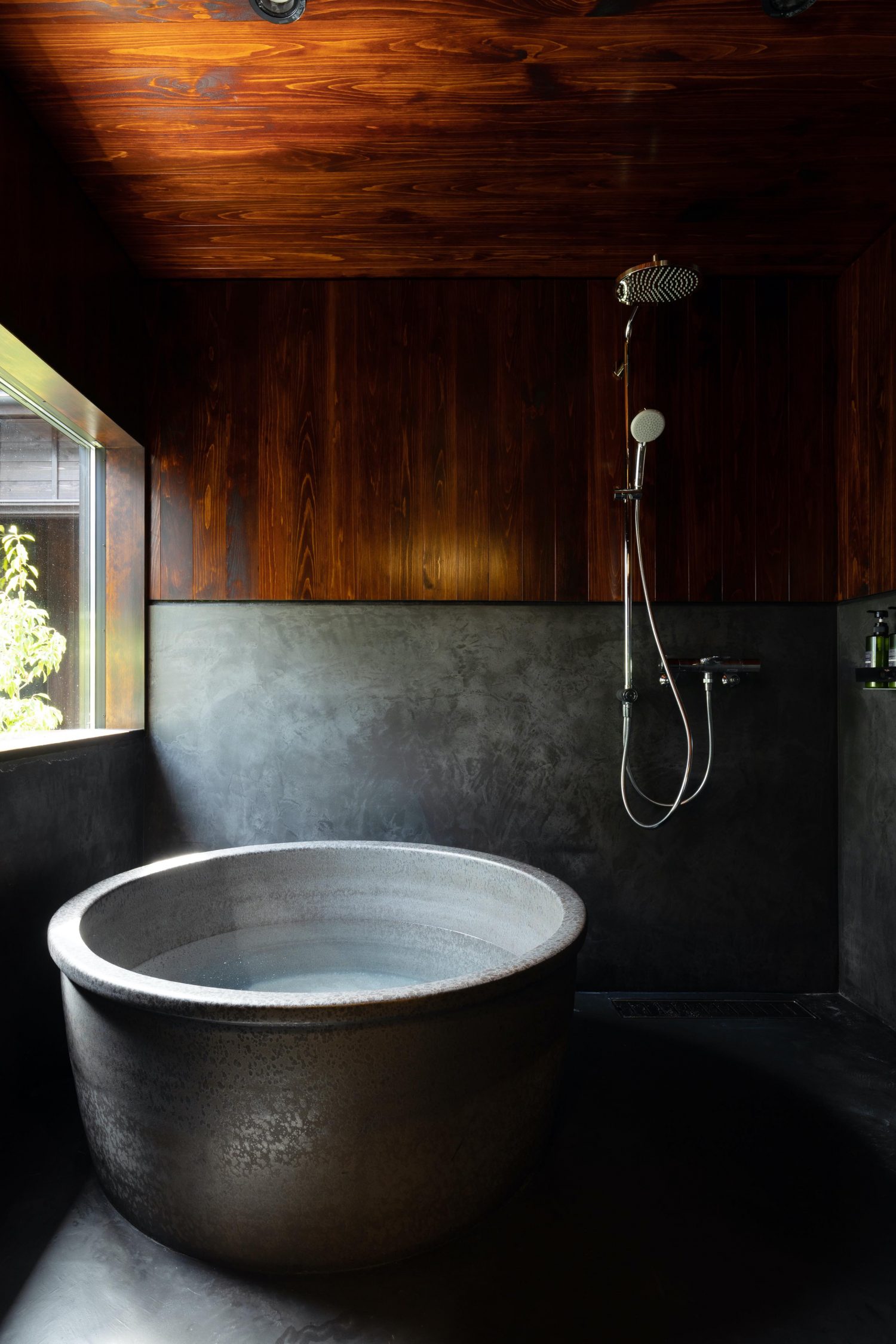
· Install aluminum sashes at the inner end of deep openings.
· Apply finishes that catch the light. (We picked out easy-to-use paints suitable for DIY renovations to avoid the need to rely on traditional plasterers, who are in short supply because of population aging.)
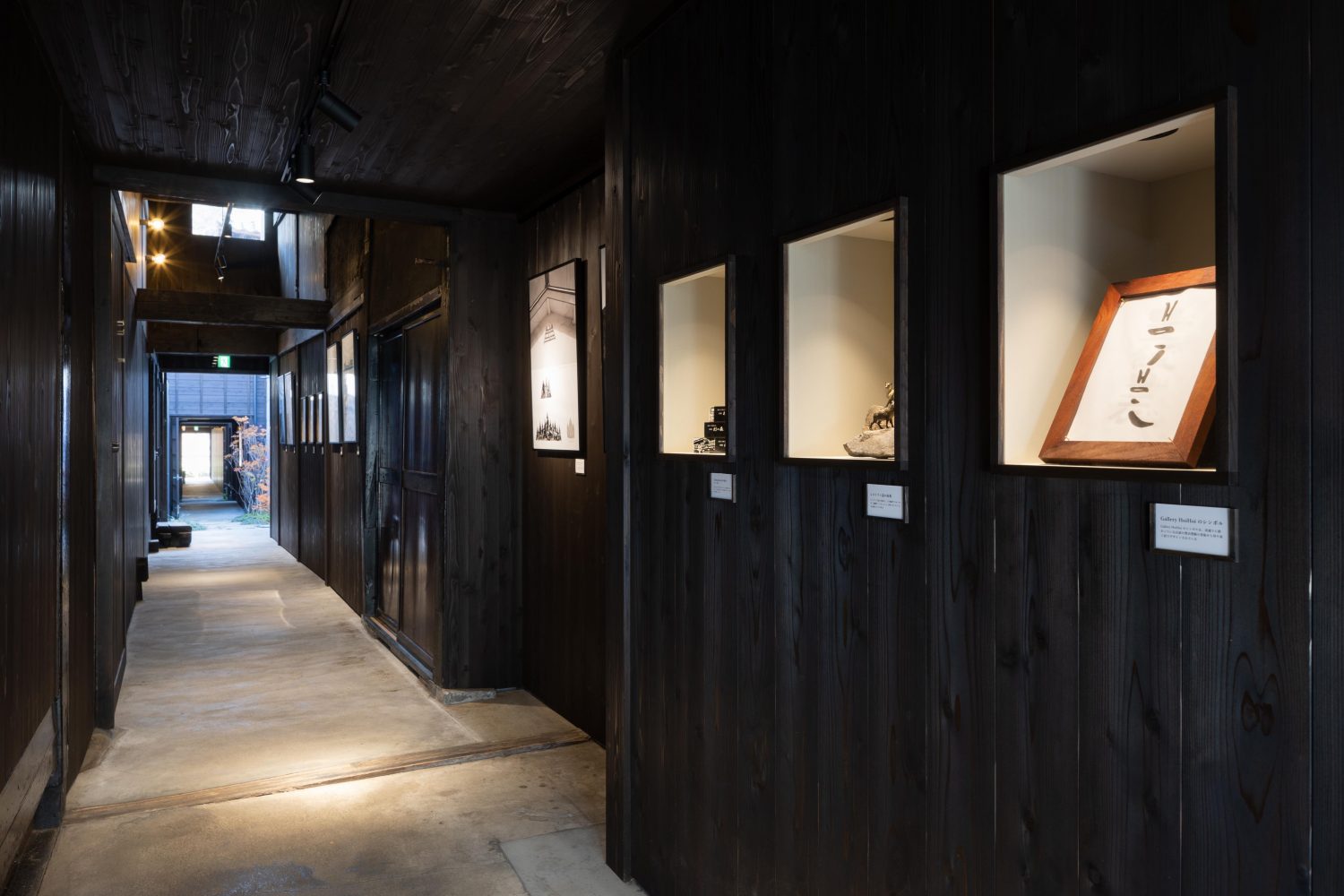
· Create common spaces by making use of the tōriniwa (unfloored space that connects the front and rear of the lot) and hiya (the gaps between adjacent machiya).
· Avoid using gimmicks such as indirect lighting for dramatic effect.
Our approach to the redesign was informed by the spirit of kintsugi (the traditional art of repairing broken pottery using precious metal fillings), where the new elements, added sparingly in ways that build on the existing structure, become key features of the work. This is manifested most explicitly where the golden perforated metal shear walls are illuminated by the sunlight shining in through the windows. In retrospect, we may not have designed anything for this project that speaks specifically of a hotel. However, if it does nothing else but offer an idea of what life in this town could be like in the future, then it can be considered to have fulfilled its function as a revitalized machiya.
Location:Shiojiri, Nagano, Japan
Category:Hotel
Structure:Timber-frame/Steel-frame
Total floor area:310.56 m2 (167.51 m2 timber-frame wing + 143.05 m2 steel-frame wing)
Design:Tsubame Architects
Structure design:Ohno Japan
Landscape desgin:En Landscape Design
Sign design:Nosigner
Construction:Noda Kensetsu
Client:Salt Terminal
Completion:2021
photo:Kai Nakamura
published:Shinkenchiku, December 2021 issue