© TSUBAME ARCHITECTS


© TSUBAME ARCHITECTS
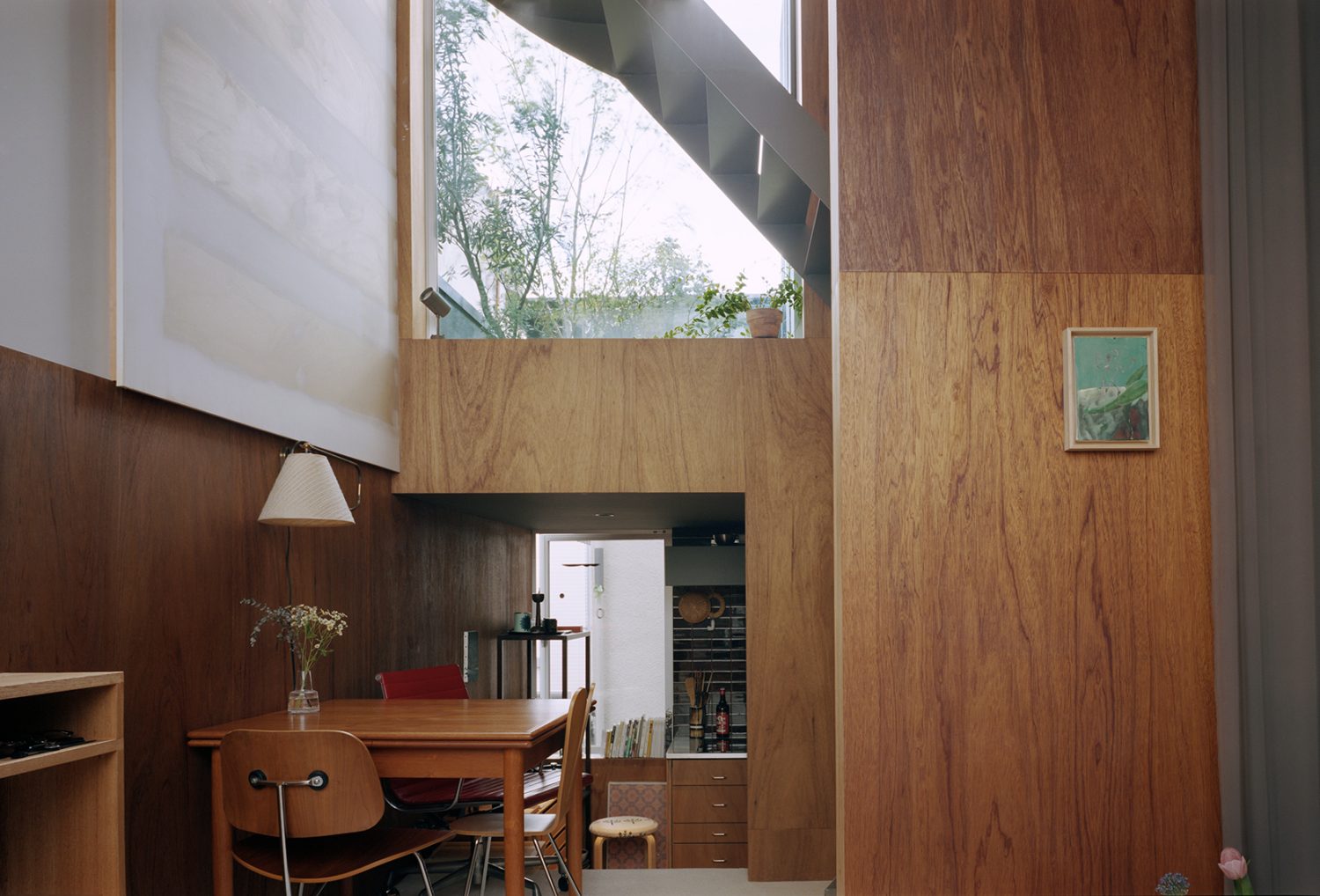
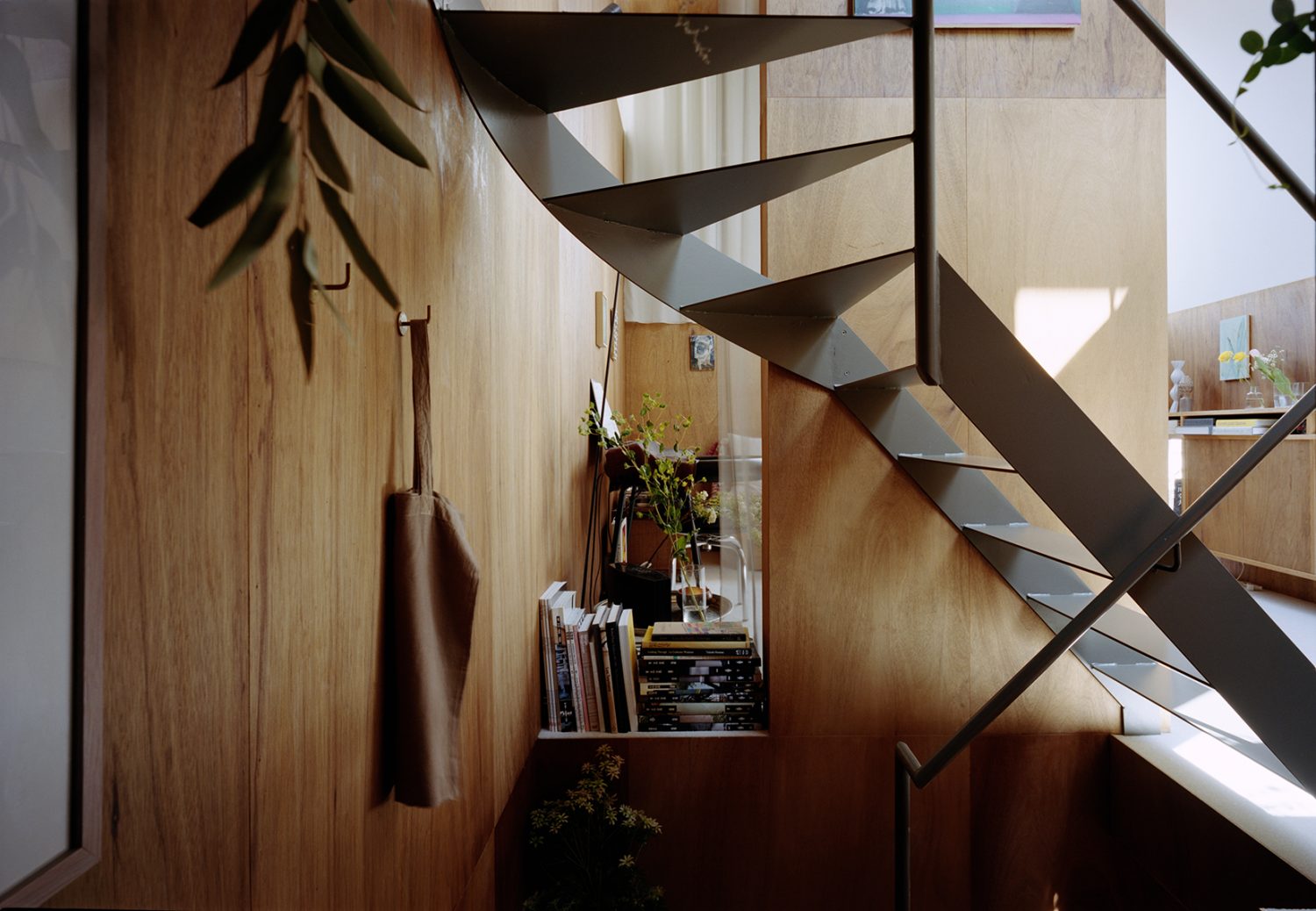
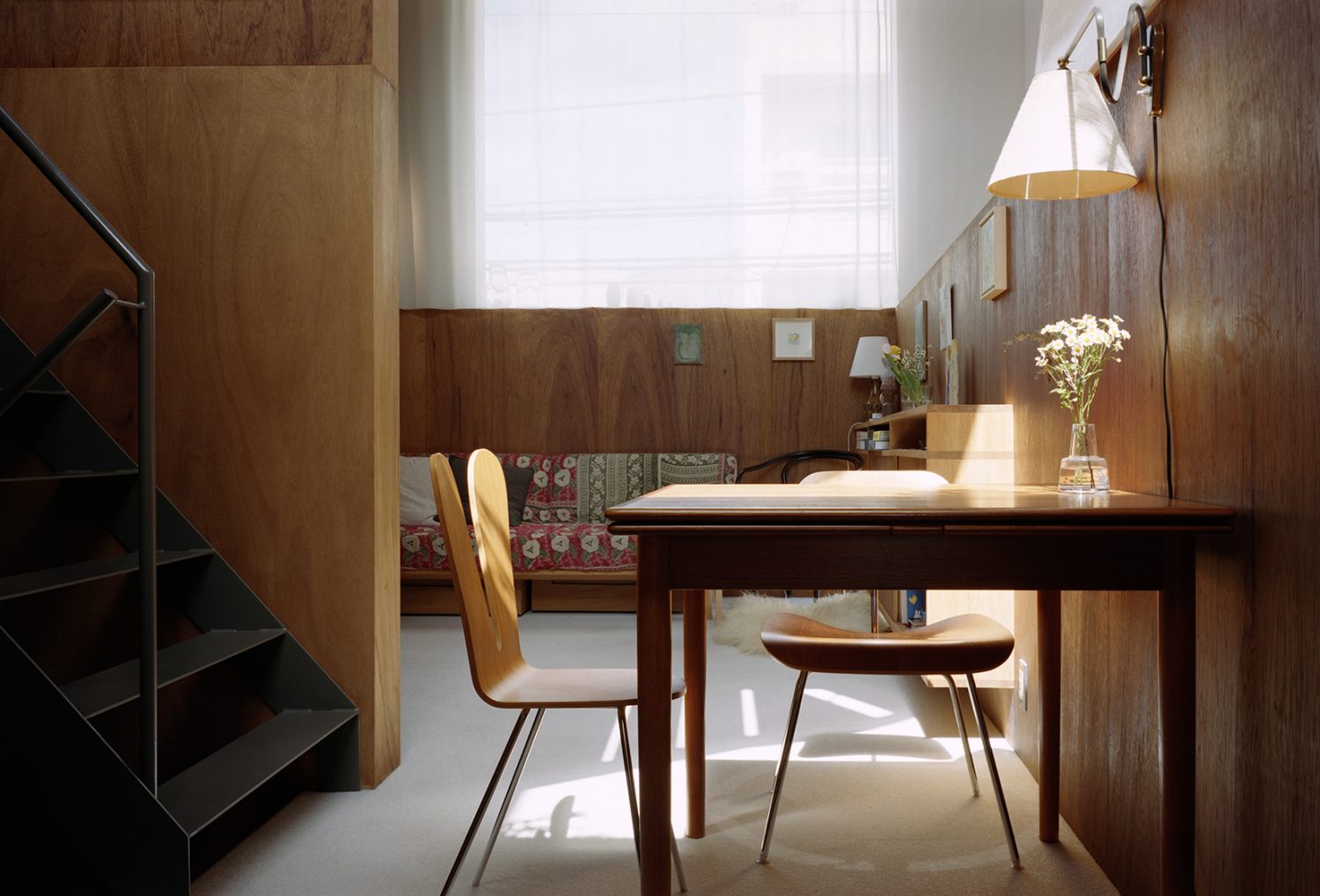
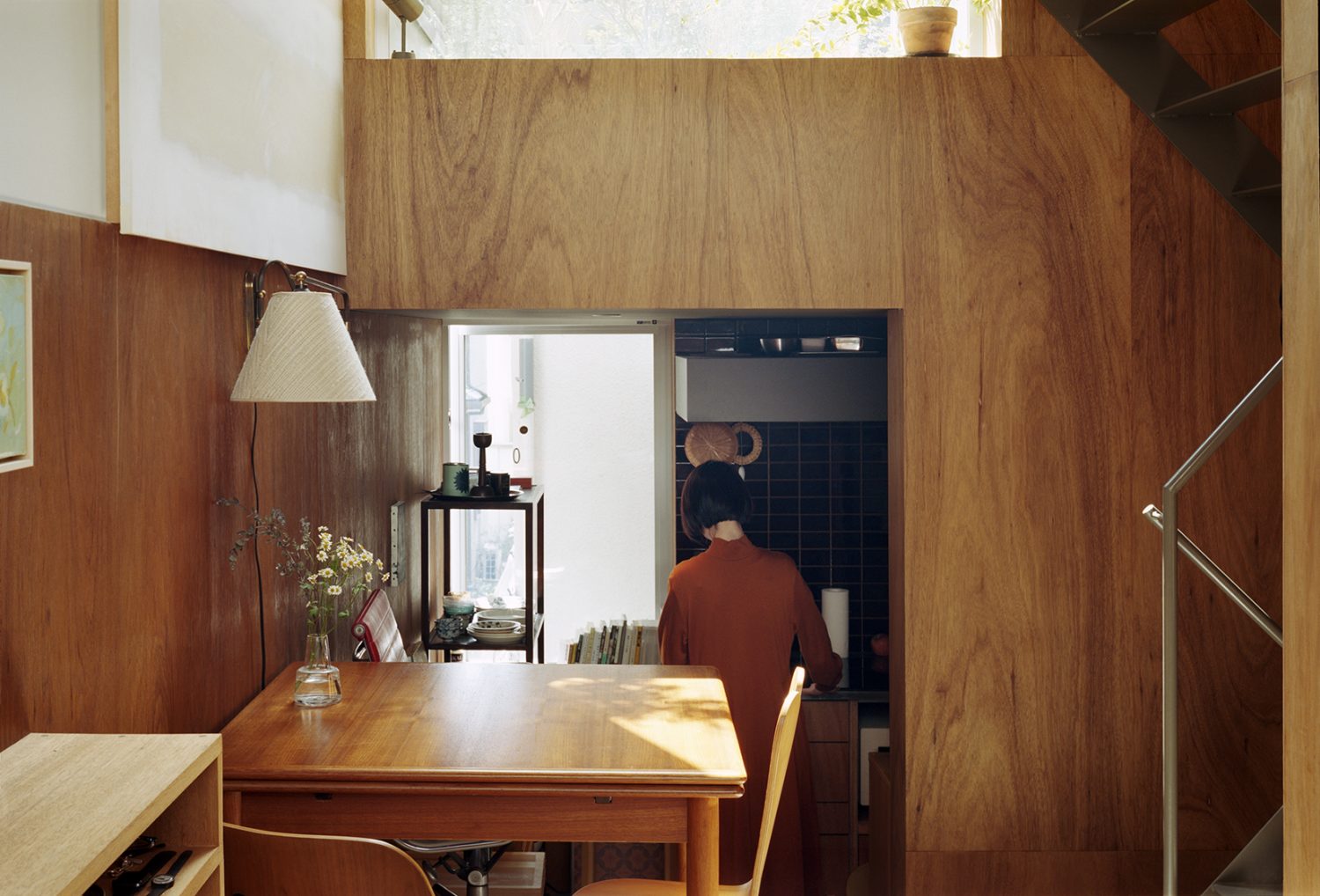
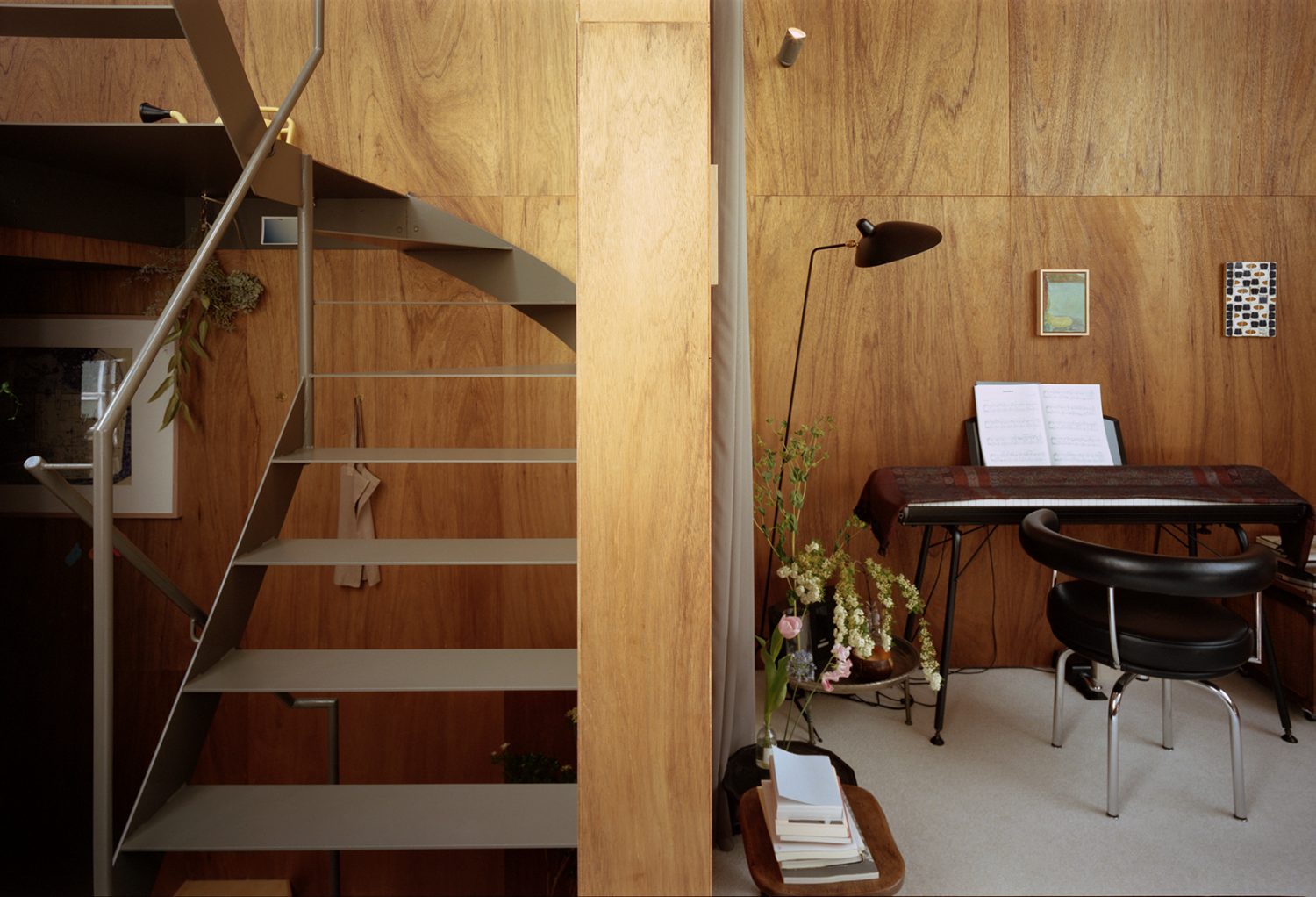
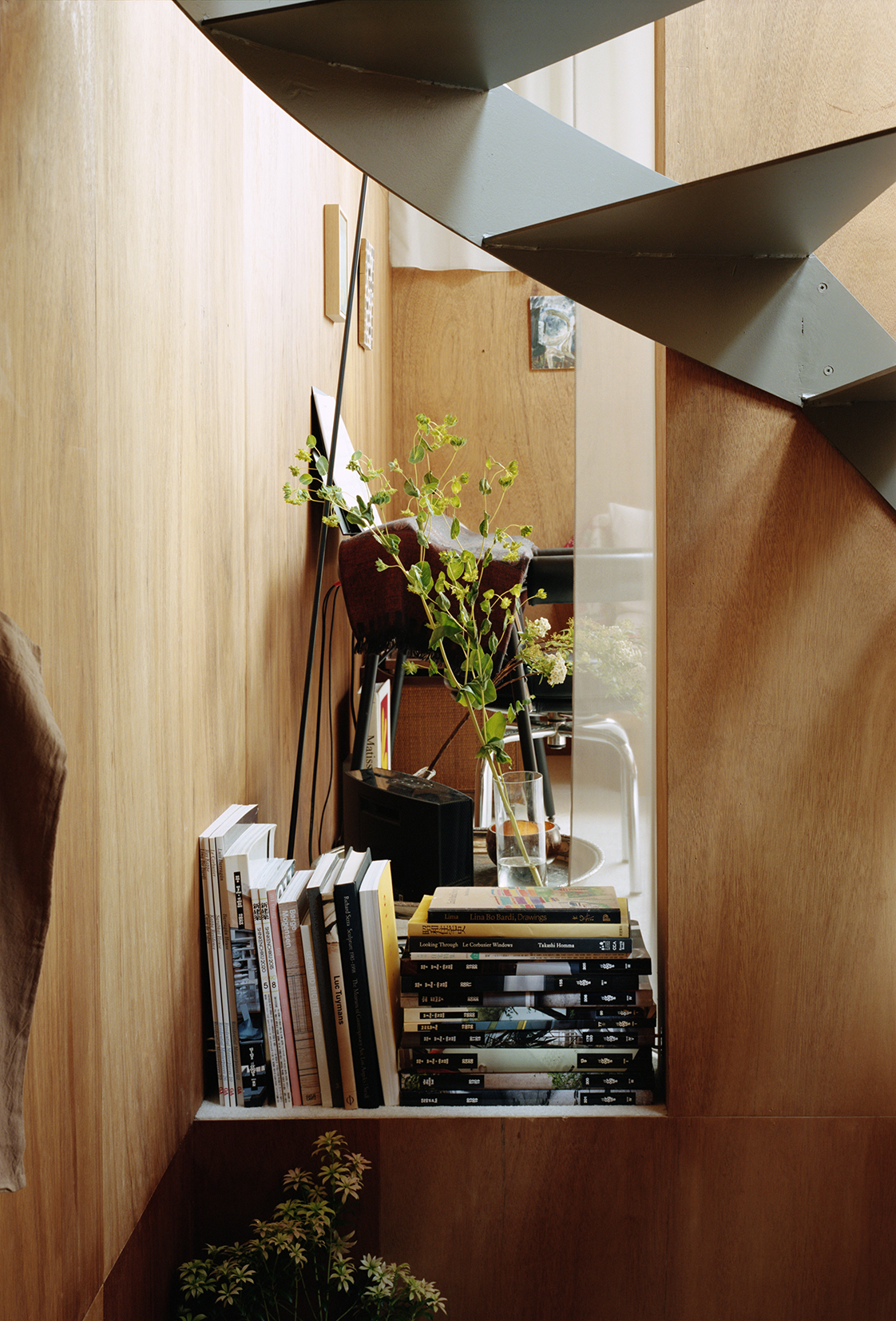
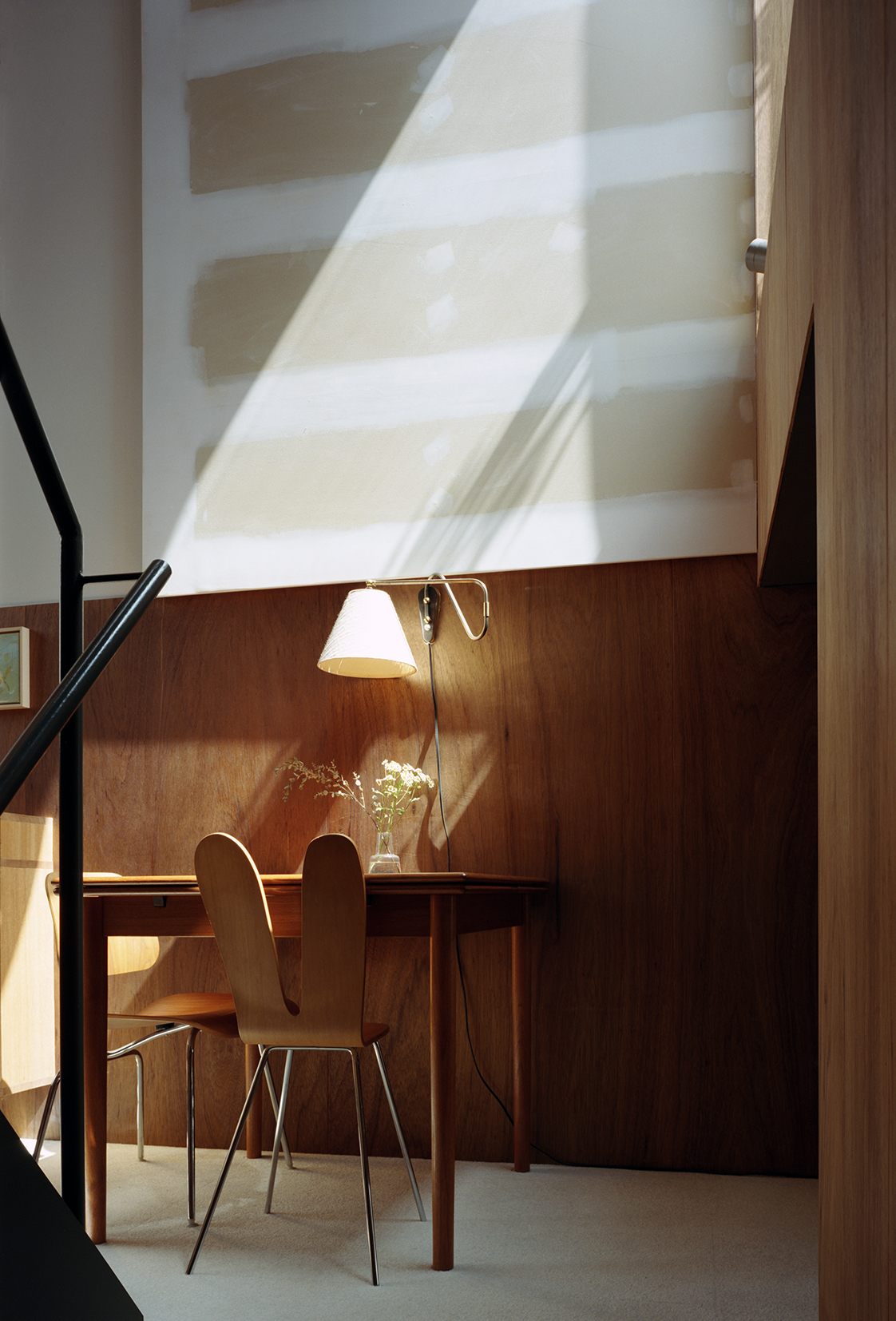
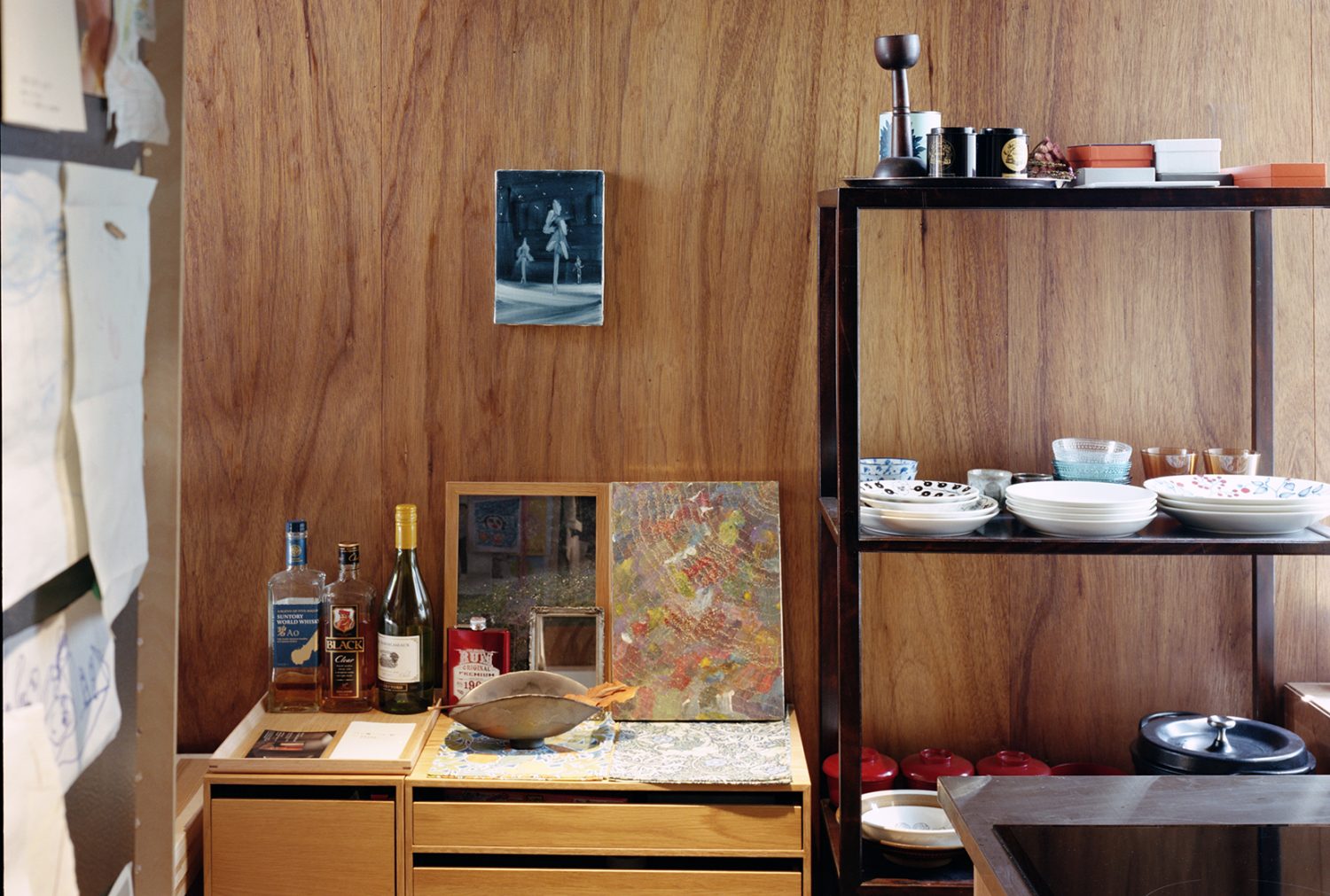
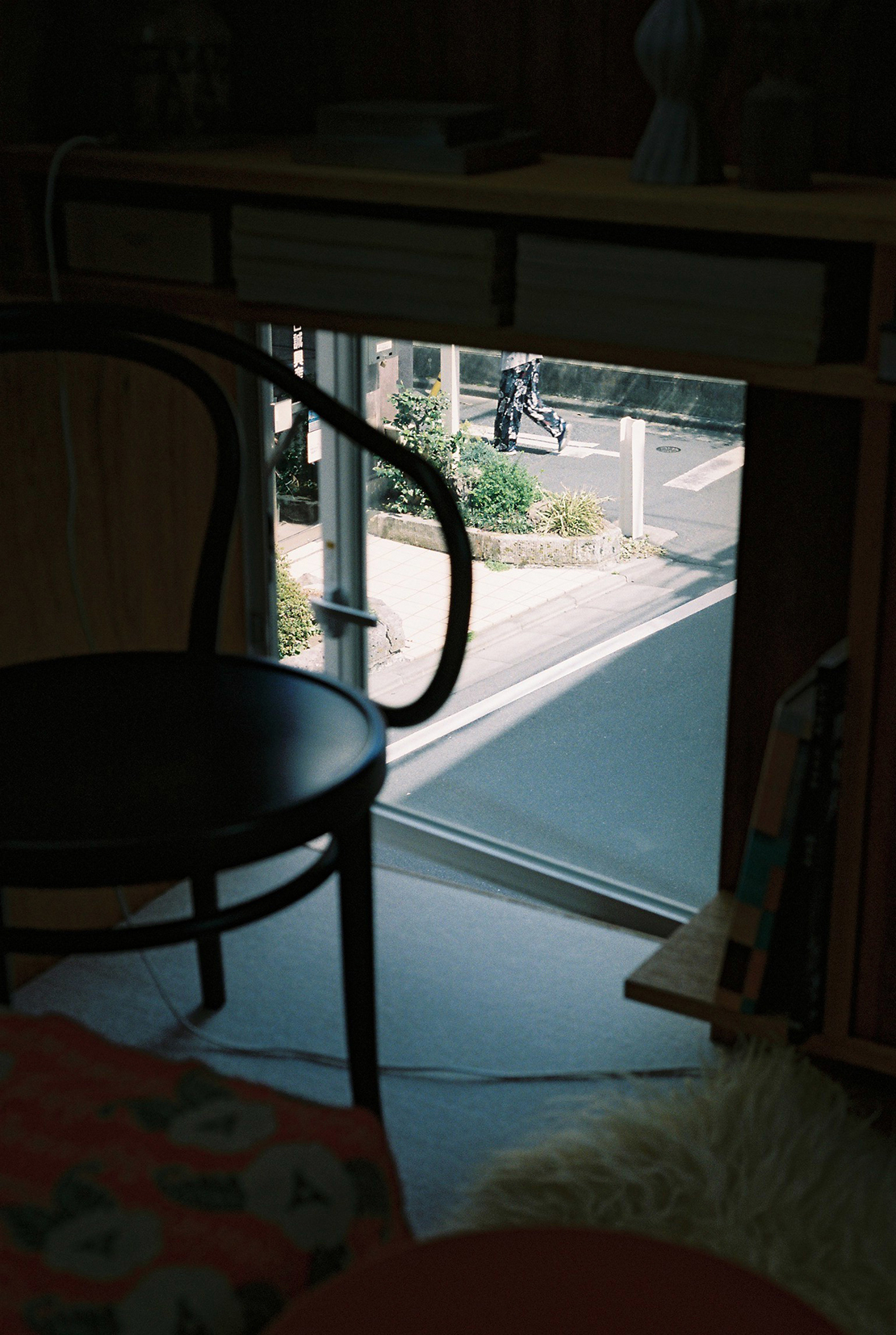
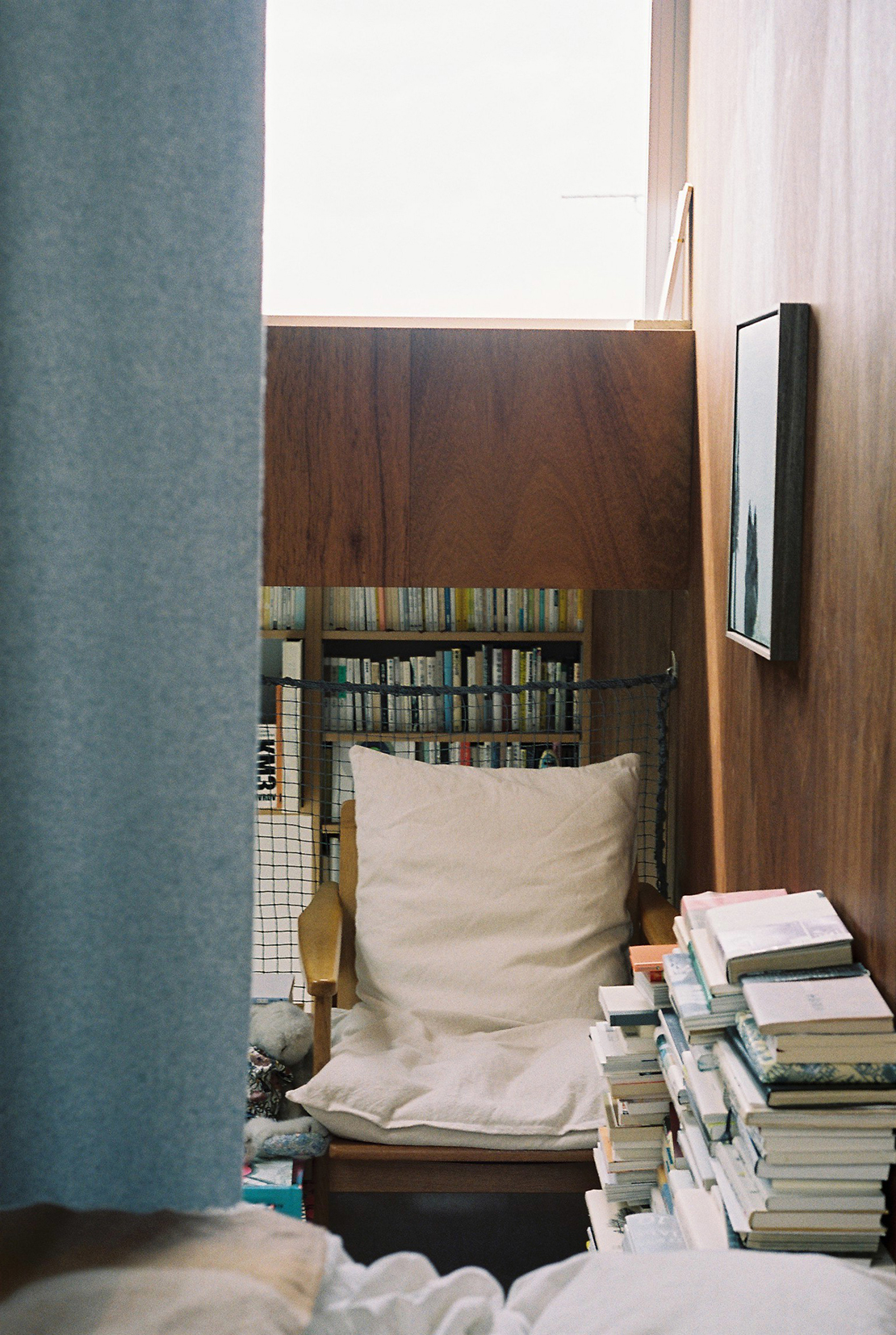
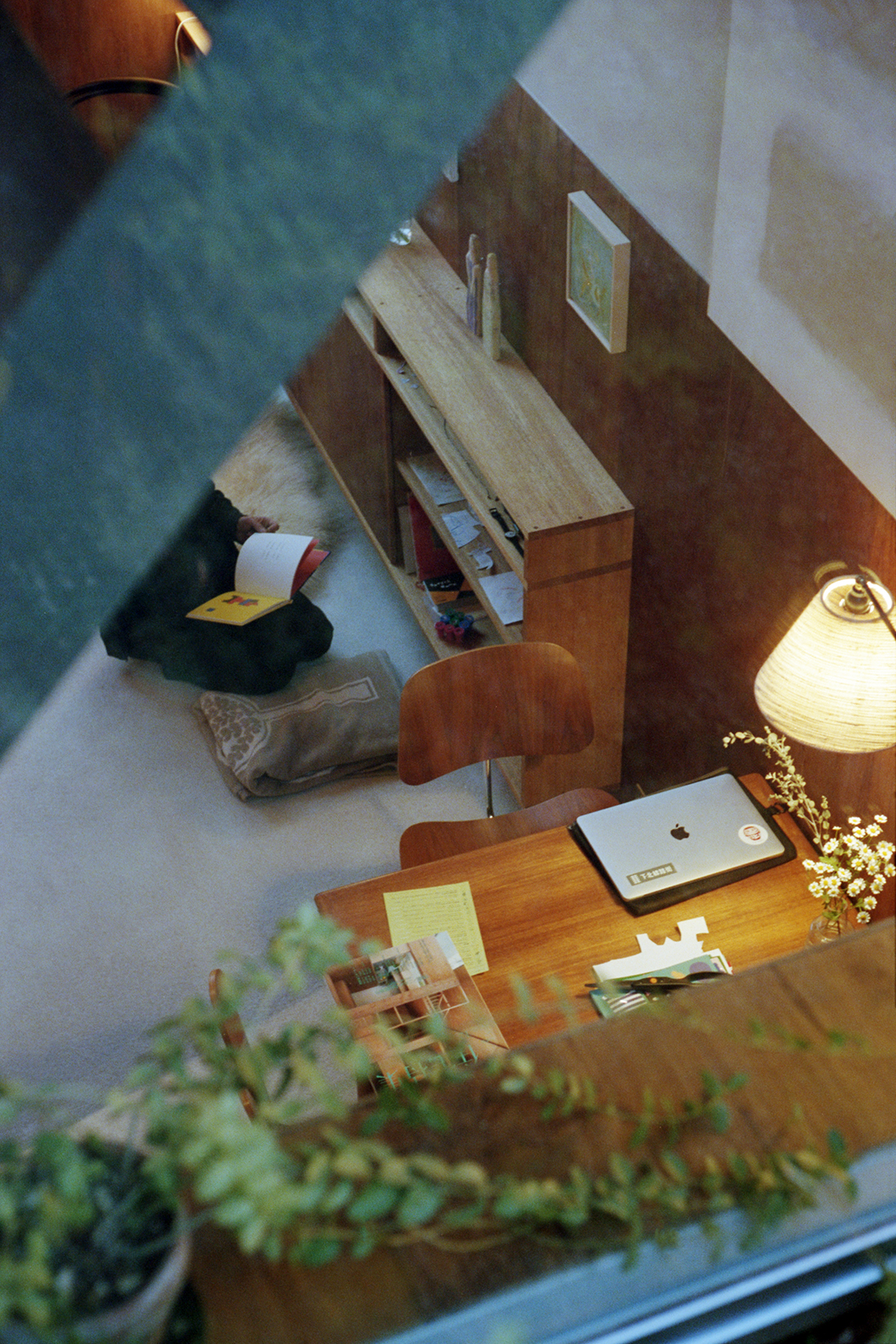
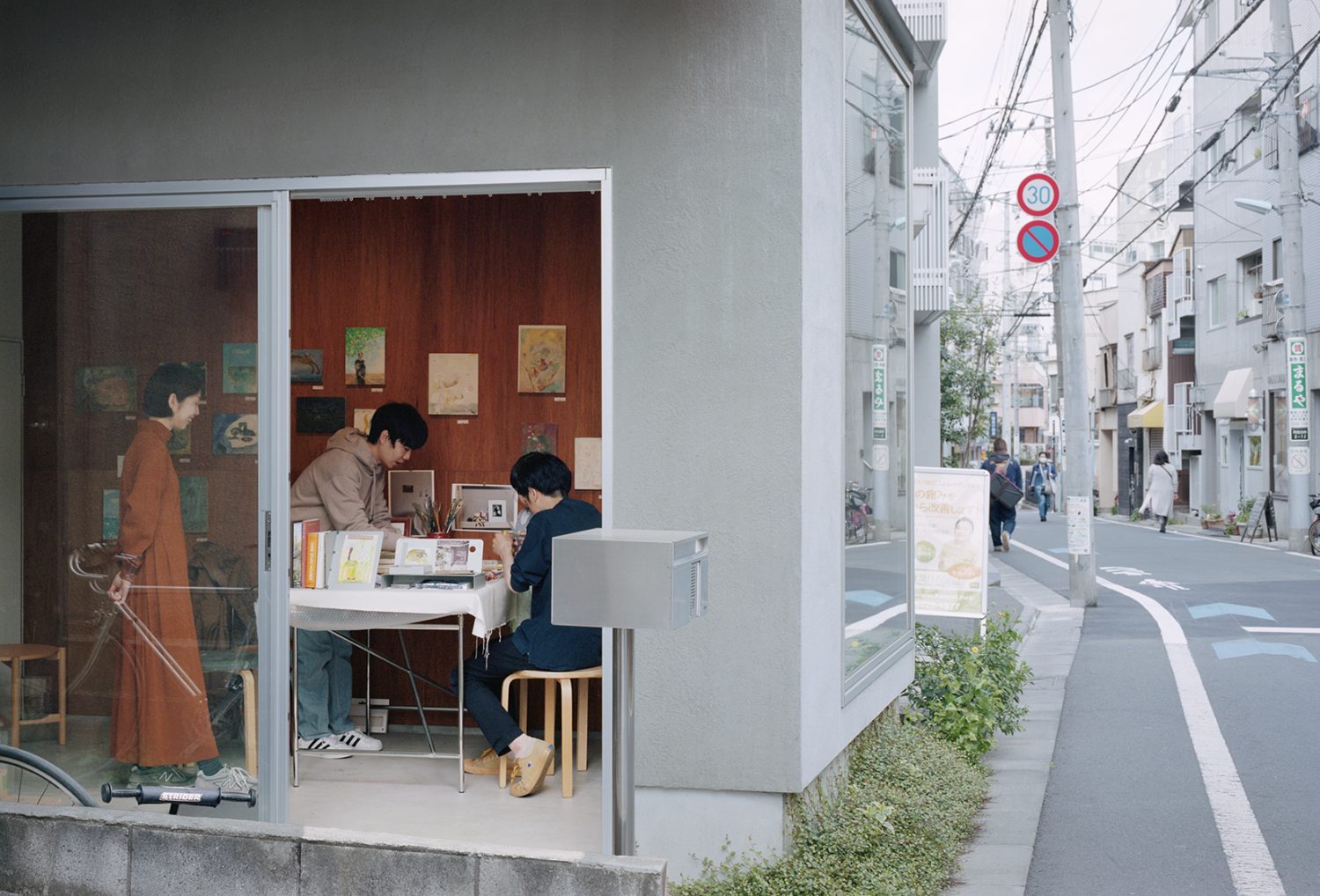
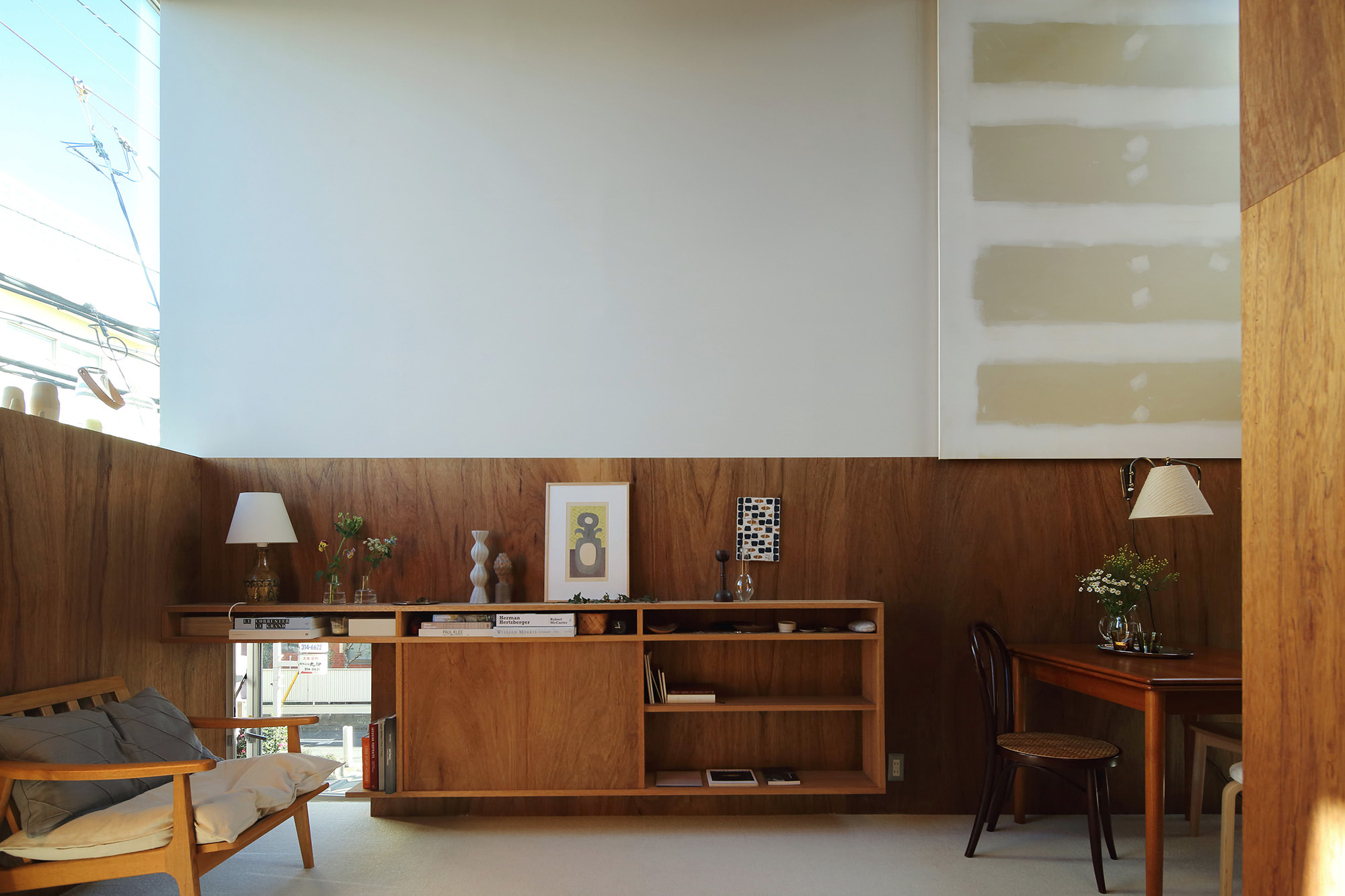
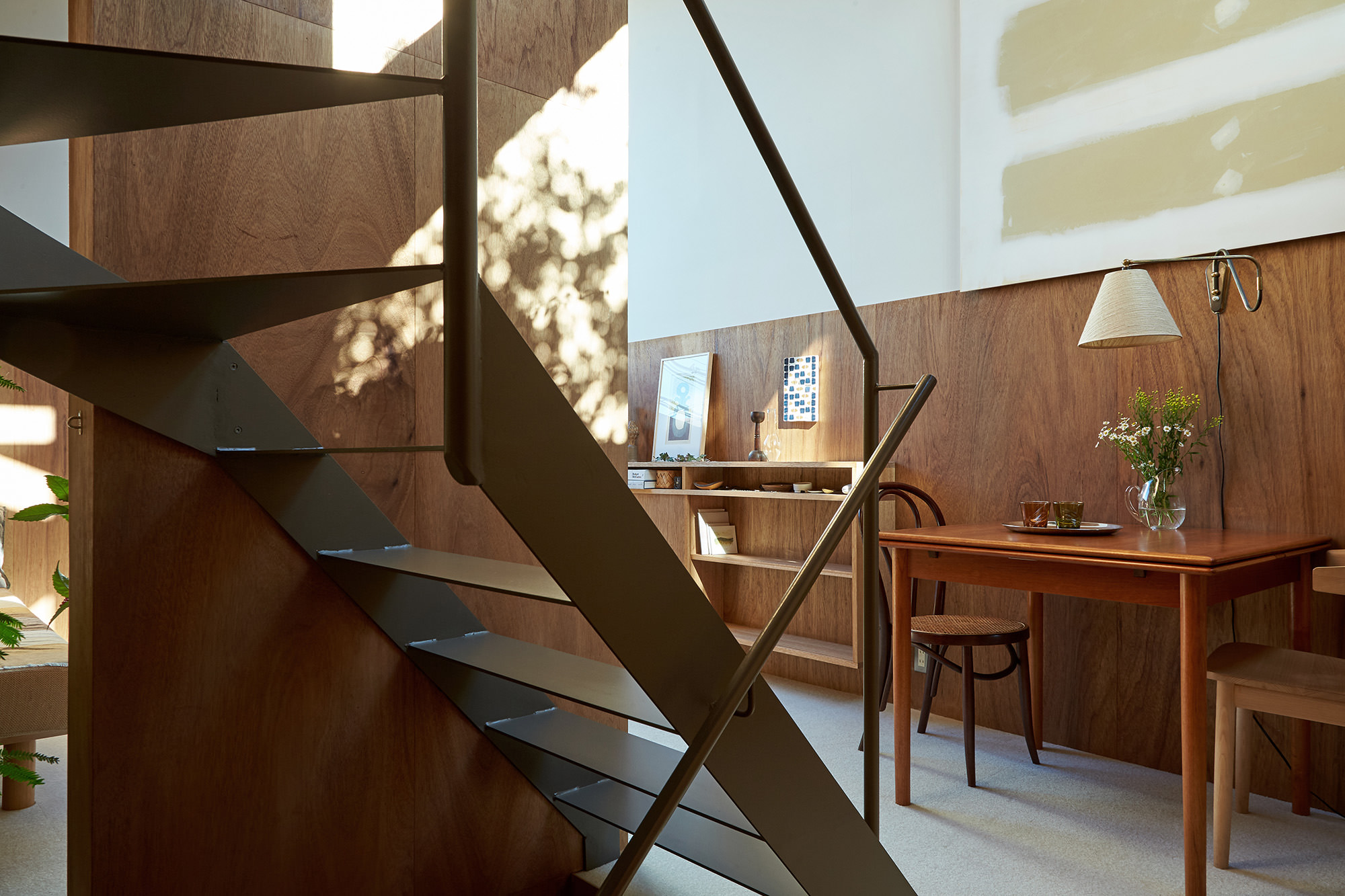
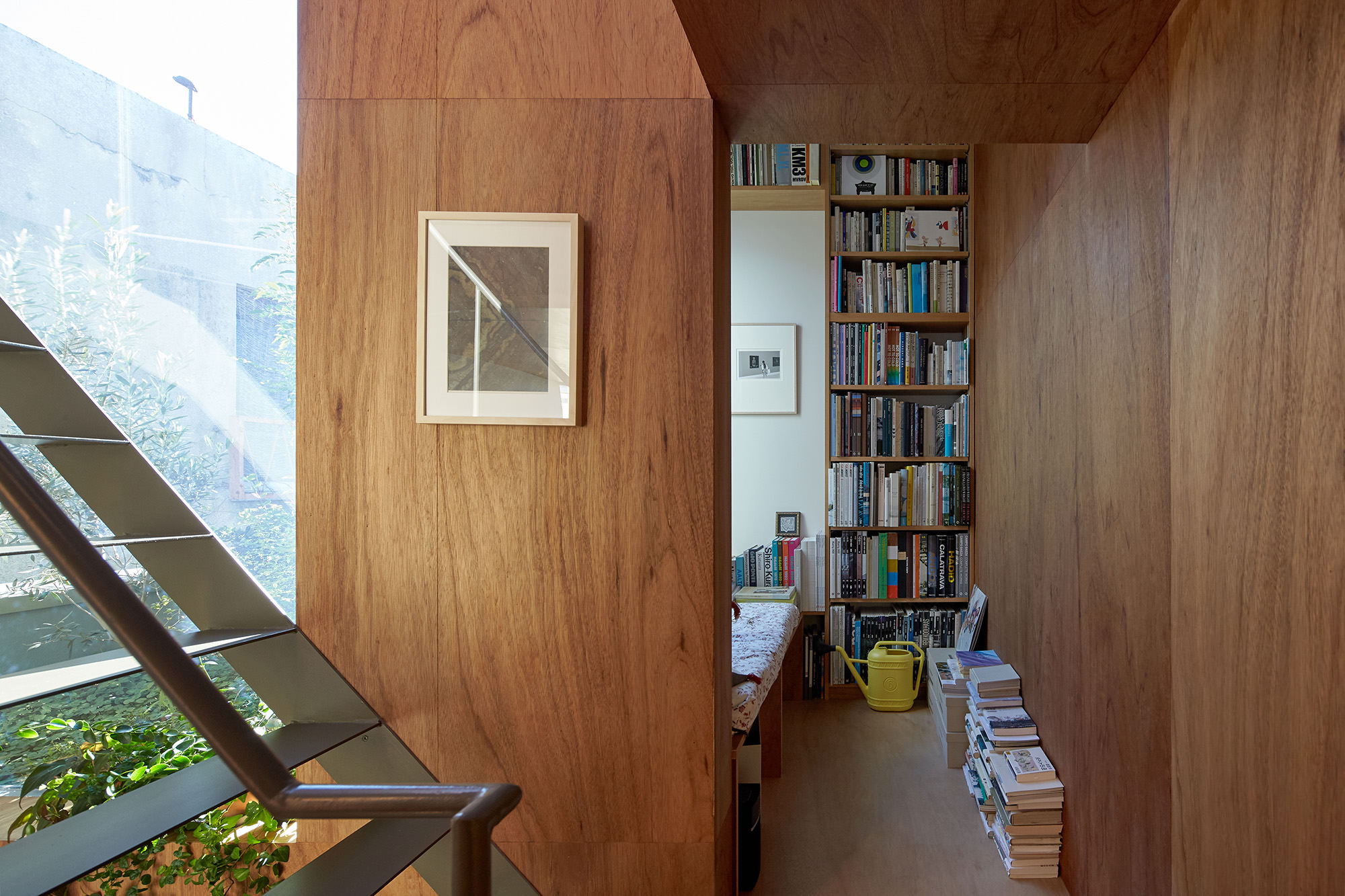
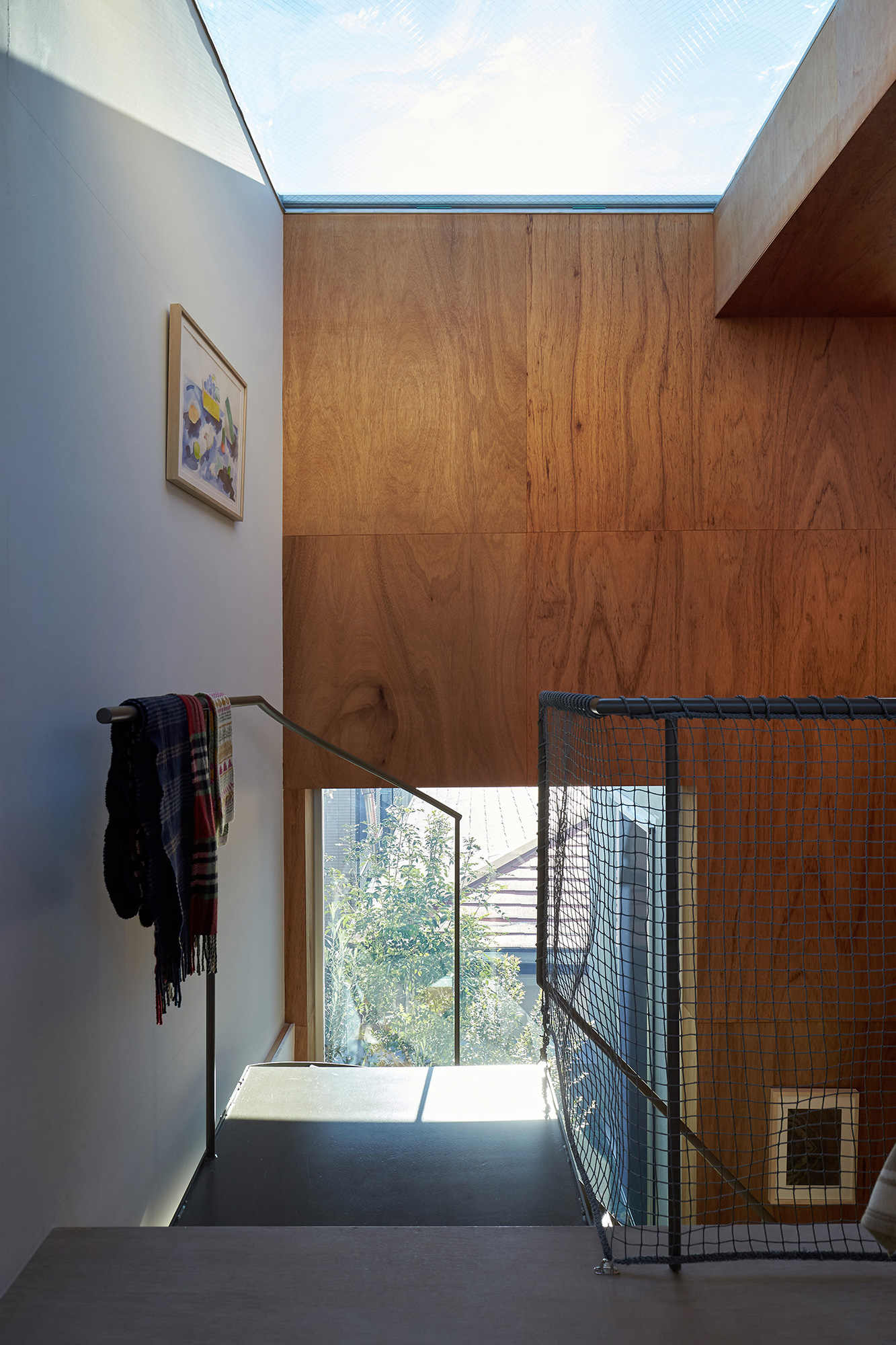
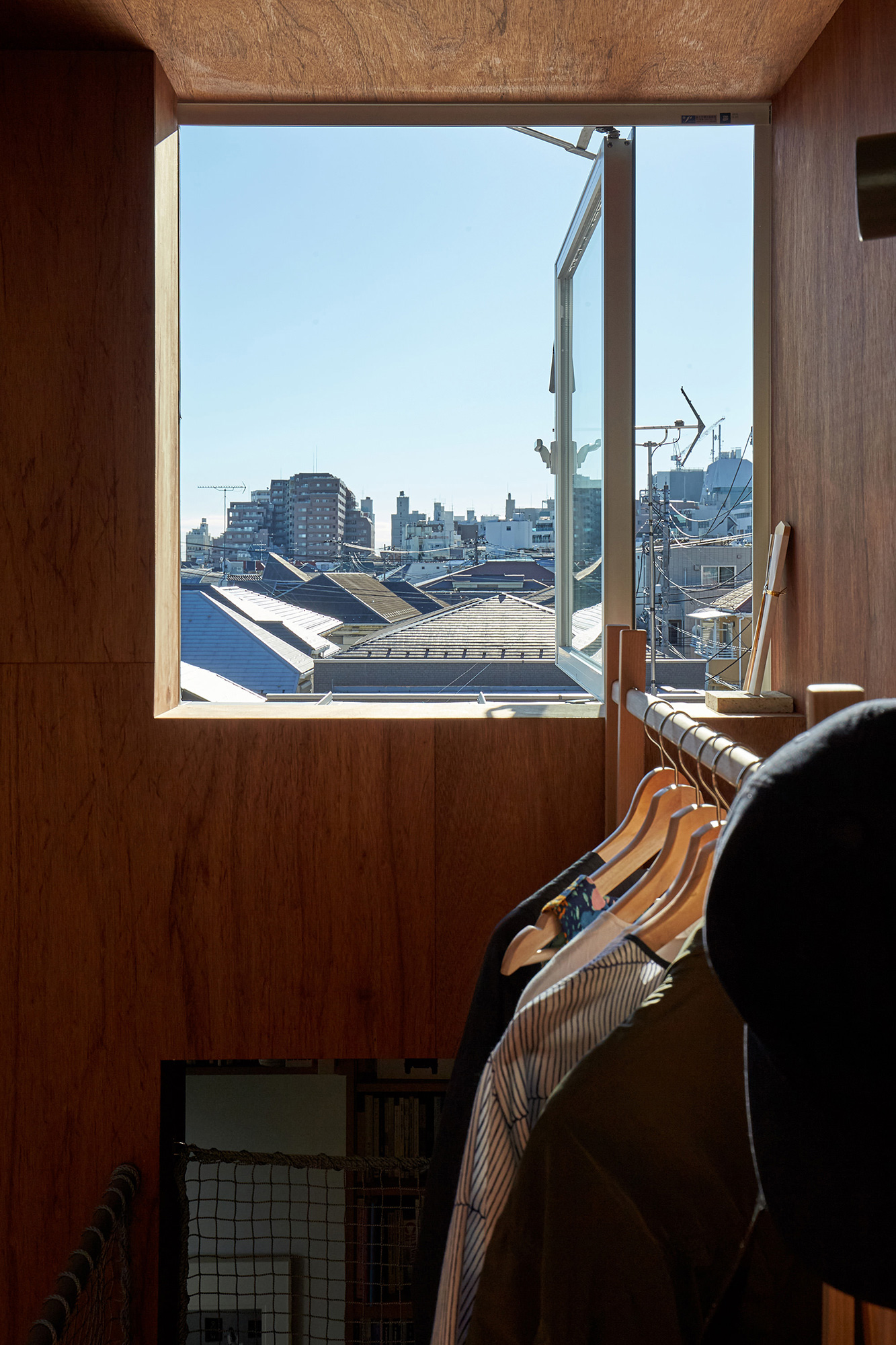
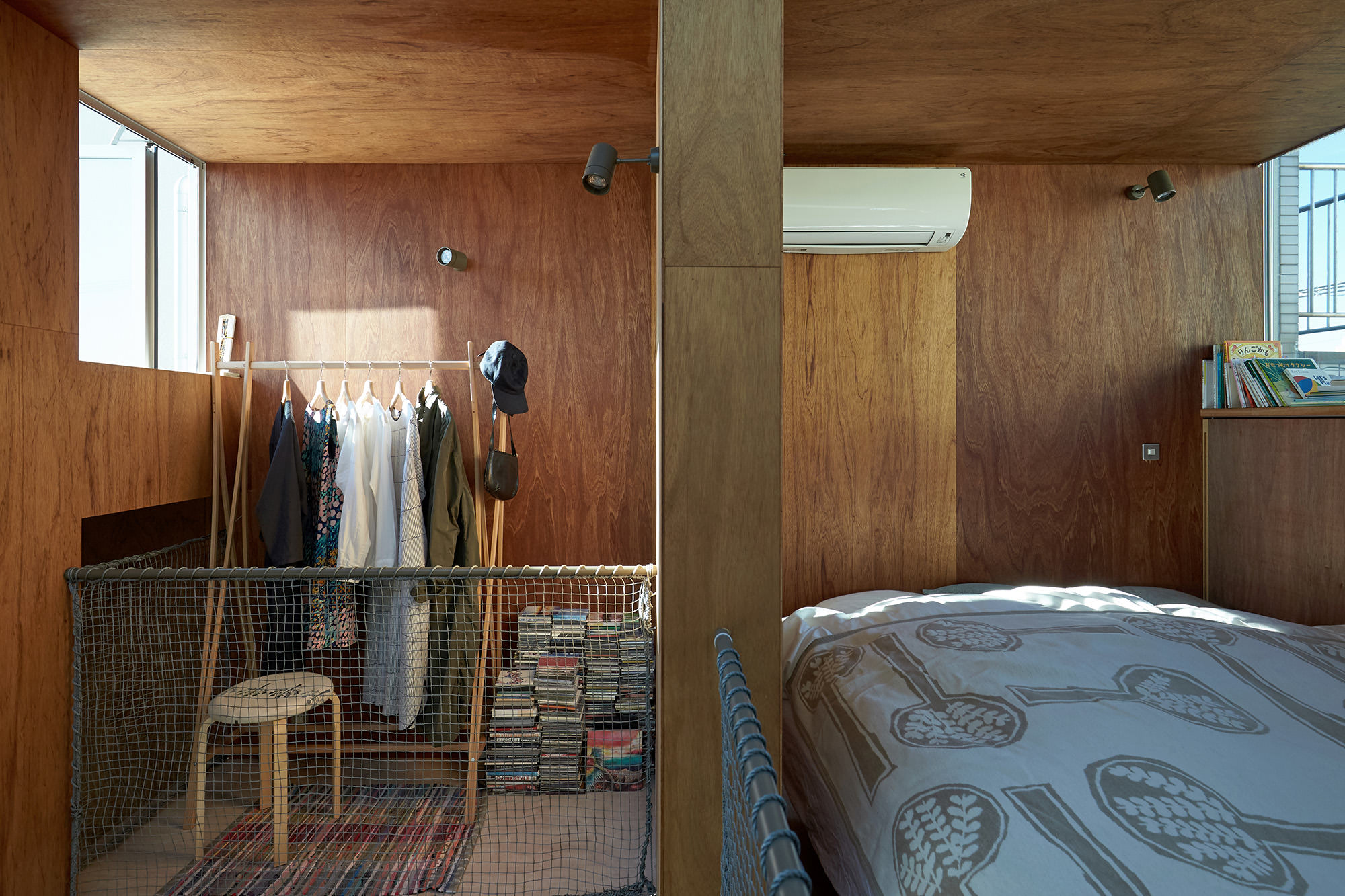
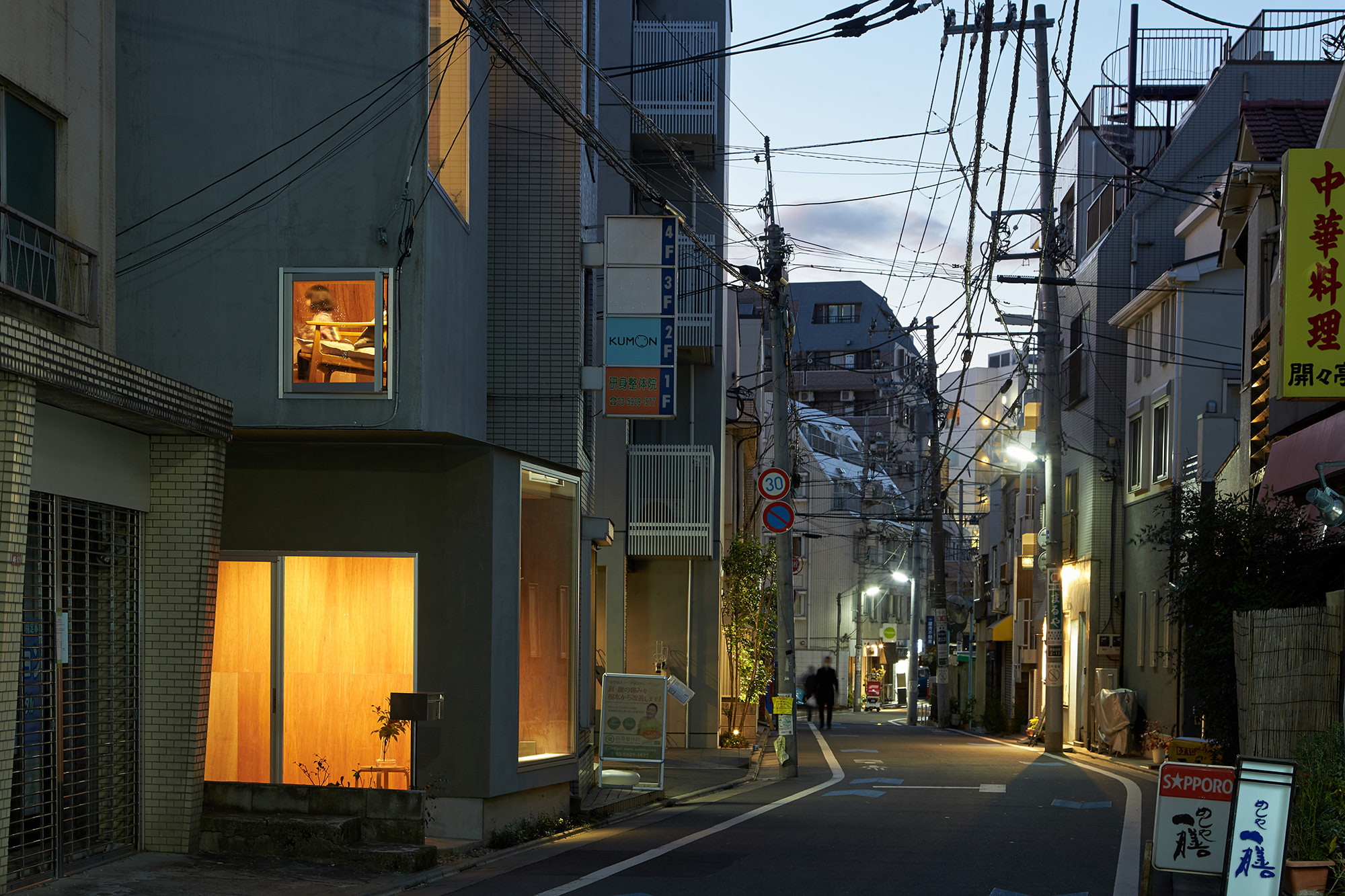
This building that stands in a densely packed Tokyo neighborhood is the home of one of our partners. While the 33-square-meter lot hedged in by buildings had a dim feel to it, the fronting street that forms part of a network of narrow shopping streets stemming off from the nearby railway sees a constant stream of foot traffic, and a zelkova-lined boulevard and shrine offer plenty of greenery within walking distance. Our aim for this house was to make spaces that would expand towards both the domestic and urban realms. To this end, we set up a two-part composition consisting of the “Room”, which opens up to the city on the street level, and the “House”, which contains a variety of nooks and provides the living spaces with a sense of depth.
When you live in a city where your various daily needs are available within walking distance, you can get by with a minimal number of possessions. For instance, you do not need to own a spacious bathroom when you can go to the public bathhouses, which have amenities such as saunas; picture books for your children when you can borrow them from the municipal library; or a large dining room when you can entertain your guests at a nearby eatery. As for clothing, you can rotate a minimal wardrobe by making use of a storage service. By partially outsourcing the functions of the house, we were able to free up space to create what we called the Room, which we positioned on the ground floor to face the street. The Room is designed as a place for one to engage the city actively and freely, and it can also be rented out to support the household financially. In the past, there were many student dormitories and eateries in the neighborhood, but many of them have been replaced with residential buildings that are closed off to the street for security reasons. However, having open ground-level shops should actually help make the street not only safer but also livelier. Copying the way that the old surviving shophouses in the area engage the street, we made a large show window-like aperture in the front face of the Room. A set of sliding glass doors positioned along the side gives the Room an even more open feel and connects it directly with the street. We are hoping that the Room will become a place beloved by many as the activities that take place in it become assimilated into the streetscape.
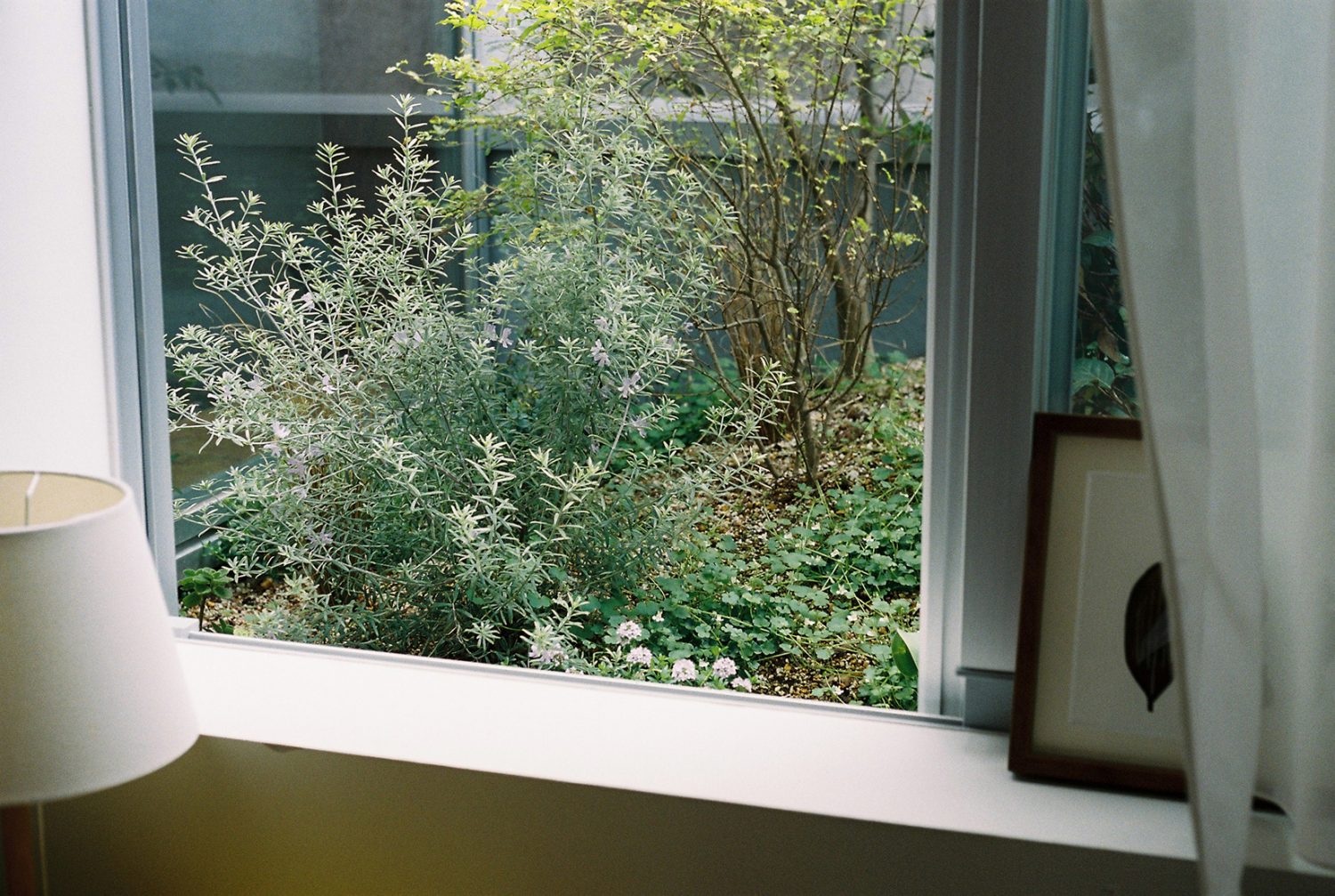
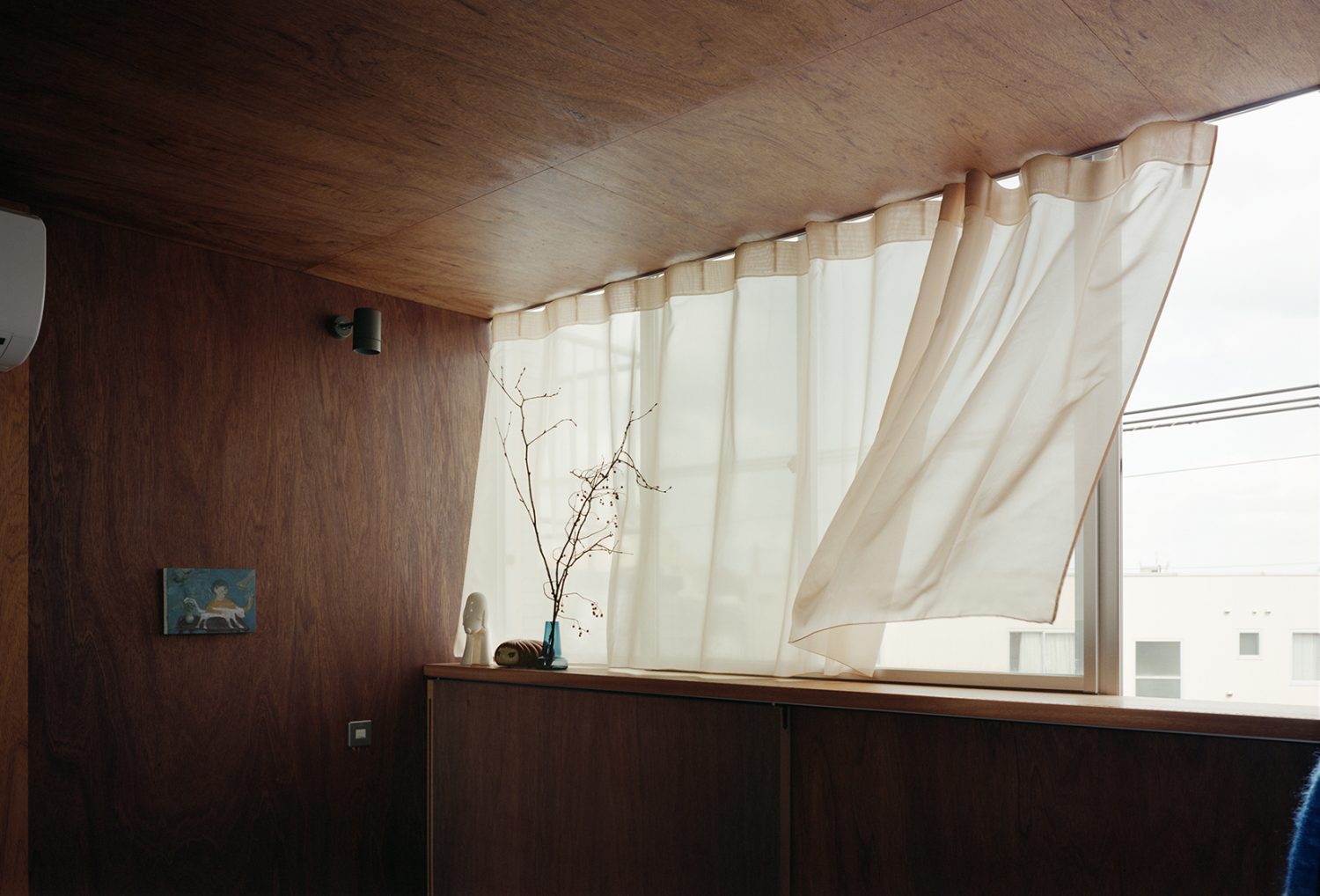
In contrast to the Room, we lifted the House off the ground and aimed to create an airy space dedicated to the family. To do this, we first subdivided its small floor plan with the shear walls, raised one of the floors to the height of the neighboring house’s eaves, and made a garden that also provides daylighting. We then staggered the other floors, openings, and walls around this garden to create a variety of depths within the single-room space. The dim entryway below thus leads into the bright living room, which opens up to views of the greenery and cityscape and unfolds three dimensionally into a variety of nooks that connect the interior with the surrounding environment, such as the sunroom, which adjoins the garden, and the bedroom, which has openings that frame the sky.
We believe that having a range of options of places to spend both inside and outside your home lends richness to living small in the city. When you perceive the whole city around you as forming part of your daily life, you will naturally become a more active participant in the local economy, develop an affection for your community, and take genuine pleasure in things such as the sight of flowers and trees growing in your neighbors’ gardens. This house should serve as a base for continually thinking about and nurturing the way one lives in, and relates oneself to, the city.
Location:Suginami, Tokyo, Japan
Category:House
Structure:Timber frame (3 stories)
Total floor area:72㎡
Design:Tsubame Architects+Yusuke Sakazume
Structure design:Ejiri Structural Engineers
Landscape desgin:En Landscape Design
Construction:Hirohashi Komuten
Completion:2019.6
photo:#2, #4–9, #12: Kai Nakamura
#1, #3, #10, #11: Shinkenchiku-Sha
published:Jūtakutokushū, December 2019 issue